

 Travel Essentials
 Travel Essentials

Complete guide to Wrigleyville, Chicago's dynamic North Side neighborhood featuring Wrigley Field, dining, entertainment, and urban lifestyle.
 Travel Essentials
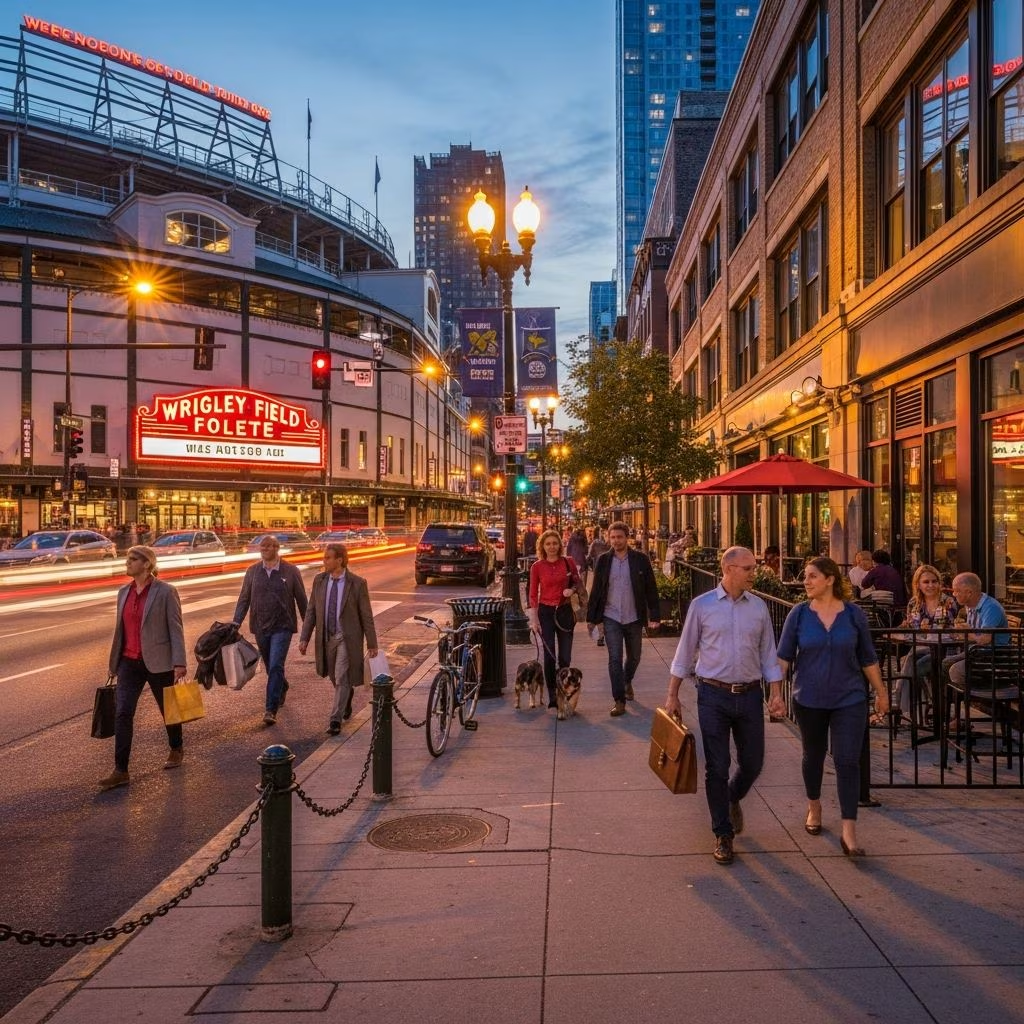
Situated on Chicago’s North Side, Wrigleyville has emerged as one of the city’s most energetic and sought-after neighborhoods. Named after the historic ballpark that anchors its identity, this community represents a unique blend of sports culture, contemporary dining, entertainment venues, and residential charm. Whether you’re considering a move to the area or planning a visit, understanding what makes Wrigleyville distinctive helps you navigate and appreciate this dynamic urban enclave.
Wrigleyville occupies a strategic position within the broader Lakeview community area on Chicago’s North Side. The neighborhood’s boundaries generally extend from Addison Street on the south to approximately Irving Park Road or Waveland Avenue to the north, with Clark Street marking the western edge and Sheffield Avenue or lake-adjacent streets to the east. This geographic positioning places residents approximately four miles north of downtown Chicago’s Loop district and less than a mile west of Lake Michigan’s shoreline.
The neighborhood’s accessibility is enhanced by its proximity to public transportation hubs. The Red Line’s Addison stop provides direct access to downtown and other parts of the city, while numerous CTA bus routes supplement rail service throughout the area. This transportation infrastructure makes commuting straightforward for professionals working in various Chicago neighborhoods.
Wrigley Field stands as the defining landmark of this neighborhood and serves as the primary driver of its character and economic activity. As home to the Chicago Cubs, this historic ballpark has been central to the area’s development since its opening in 1916. The stadium’s presence creates a unique dynamic where the Cubs’ baseball schedule directly influences neighborhood activity, from surge in foot traffic on game days to the atmosphere and energy throughout the community.
Beyond baseball games, Wrigley Field offers guided tours that provide behind-the-scenes access to this iconic venue. These tours appeal to sports enthusiasts and architecture admirers alike, offering insights into the ballpark’s history and operational structure.
The neighborhood features several concentrated entertainment corridors that define its social landscape. Clark Street, Sheffield Avenue, and Addison Street form the backbone of Wrigleyville’s bar and restaurant scene. These main thoroughfares contain dense clusters of establishments ranging from casual sports bars to late-night kitchens, creating an environment where entertainment options are available throughout extended hours.
Gallagher Way represents a significant modern addition to the neighborhood’s recreational offerings. Located adjacent to Wrigley Field, this open-air plaza functions as a community gathering space during non-game days. Programming includes outdoor movie screenings, live music performances, fitness classes, and seasonal events like farmers markets and ice-skating opportunities. This venue has successfully transformed the area around the ballpark into a multi-purpose destination that caters to diverse interests and age groups.
The Metro Chicago music venue has established itself as a premier destination for live entertainment since opening in 1982. This intimate concert space attracts nationally known bands and artists, contributing to the neighborhood’s reputation as a cultural hub beyond sports.
The Southport Corridor offers a contrasting atmosphere to the high-energy sports bar scene. This shopping district features independent boutiques, restaurants, and bars arranged along a tree-lined street that invites leisurely browsing and window shopping.
Wrigleyville’s food and beverage landscape has undergone significant transformation in recent years. While traditional sports bars and casual establishments continue to dominate, the neighborhood has attracted upscale, chef-driven restaurants that elevate the dining experience. This evolution reflects broader trends in Chicago’s neighborhood development, where historic communities attract investment in culinary innovation alongside established entertainment venues.
Dining options span price points and cuisines, ensuring that residents and visitors can find restaurants matching their preferences and budgets. Whether seeking quick pre-game meals, post-game celebrations, or destination dining experiences, the neighborhood accommodates diverse culinary interests.
Wrigleyville attracts a diverse demographic composition that shapes the neighborhood’s social fabric and daily rhythm. The population includes college students, young professionals, families, and longtime residents, creating an intergenerational community with varied lifestyle preferences. This demographic diversity means that different parts of the neighborhood appeal to different groups—some areas cater to nightlife enthusiasts, while others serve as quieter residential zones.
The neighborhood’s character shifts notably between weekdays and weekends, and between game days and off-season periods. During Cubs games and evening hours, younger crowds from across Chicago congregate in the entertainment corridors, particularly along Clark Street. During weekday afternoons and non-game periods, the same streets host families attending Gallagher Way events, morning fitness classes, and farmers markets.
Wrigleyville’s housing options reflect the neighborhood’s evolution from early-20th-century residential development through contemporary infill projects. The neighborhood contains several distinct housing typologies:
The real estate market reflects this diversity, with prices ranging from more affordable vintage apartments to premium single-family homes and luxury condo developments. Proximity to Wrigley Field and proximity to the lake both influence property values within the neighborhood.
Wrigleyville ranks highly for urban walkability, with residents able to access restaurants, bars, shops, and services on foot. The neighborhood’s street layout and density of commercial establishments create an environment where most daily needs can be met without automobile travel.
Public transportation options provide efficient connections to other parts of Chicago. The Red Line’s Addison station offers express access to downtown Chicago and connections to other train lines. Supplementary bus routes cover areas not directly served by rail transit, creating a comprehensive public transportation network.
However, residents should be aware that parking presents challenges during game days and peak evening hours. The influx of visitors for Cubs games and weekend entertainment creates parking congestion that affects neighborhood navigation and vehicle availability.
Beyond sports and entertainment venues, Wrigleyville offers access to outdoor recreation through its proximity to Lake Michigan and Chicago’s park system. Residents and visitors can access the shoreline trail for jogging and walking, boat-watching opportunities at Belmont Harbor, golfing facilities, and tennis courts. These amenities appeal to outdoor-oriented residents and families seeking active recreation options.
The neighborhood’s tree-lined streets and park access support solo recreational activities, family picnics, and pet-friendly outdoor time. This combination of urban walkability with nearby natural spaces creates an appealing lifestyle balance for residents.
Potential residents should carefully evaluate the neighborhood’s distinctive characteristics against their personal preferences and lifestyle priorities:
| Advantages | Considerations |
|---|---|
| Excellent walkability and urban amenities | Noise levels during game days and weekends |
| Proximity to Lake Michigan and parks | Parking challenges throughout the year |
| Strong public transportation access | High concentration of nightlife and younger crowds |
| Diverse dining and entertainment options | Limited quiet residential areas near main corridors |
| Community events and activities | Variable pricing in real estate market |
The neighborhood experiences distinct seasonal patterns tied to the Cubs’ baseball schedule and Chicago’s weather. During baseball season (spring through fall), game days create predictable surges in neighborhood activity. The Chicago Pride Parade and Wrigleyville Summerfest represent signature annual events that draw large crowds and showcase the neighborhood’s cultural vitality.
Winter months bring a quieter atmosphere compared to warmer seasons, though holiday celebrations and indoor entertainment venues maintain year-round engagement opportunities. Understanding these seasonal patterns helps prospective residents anticipate neighborhood conditions throughout the year.
Wrigleyville embodies a distinct sense of community identity rooted in Cubs loyalty and urban lifestyle. This neighborhood pride manifests in the prevalence of team colors and logos throughout the area, the enthusiasm during game days, and the sense of shared identity among residents. Even Cubs President Theo Epstein and team players have chosen to reside in the neighborhood, reflecting confidence in the community and its appeal.
The neighborhood continues to evolve as new developments reshape the built environment around Wrigley Field. Recent renovations to the ballpark have catalyzed neighborhood-wide transformation, attracting new businesses, restaurants, and mixed-use developments. This ongoing evolution suggests that Wrigleyville will continue attracting investment and attention as one of Chicago’s premier neighborhoods.
Wrigleyville appeals most strongly to individuals and families who value urban walkability, proximity to entertainment and cultural amenities, and access to Chicago’s social scene. The neighborhood works particularly well for professionals seeking short commutes via public transportation, Cubs fans wanting to live near Wrigley Field, and young adults interested in active nightlife and dining scenes.
Conversely, those prioritizing quiet residential environments, extensive parking availability, or distance from high-traffic entertainment zones may find other Chicago neighborhoods better suited to their preferences.
