

 Travel Essentials
 Travel Essentials

Explore WWOOFing in New Zealand: join organic farms for free lodging and meals in exchange for daily help. Learn skills, connect with locals, and travel affordably.
 Travel Essentials
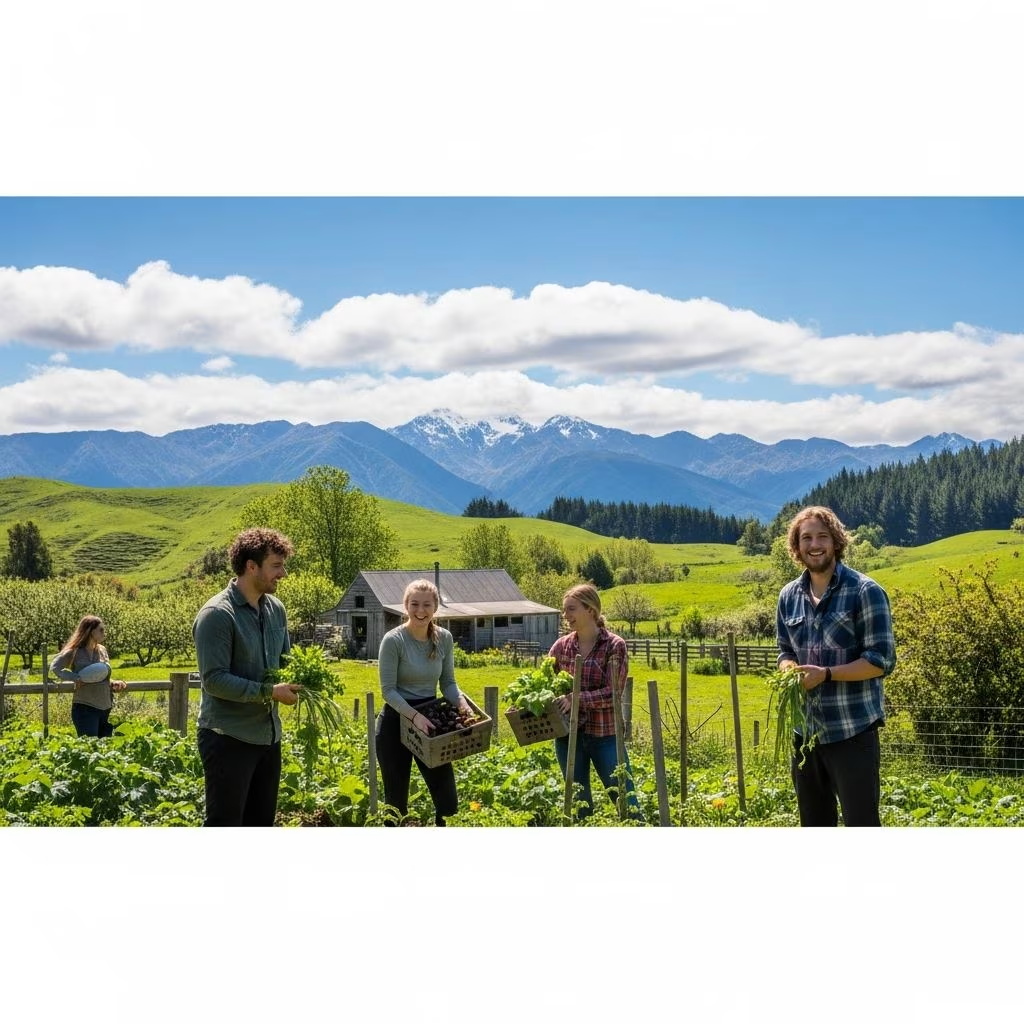
WWOOFing offers travelers a unique way to immerse themselves in New Zealand’s organic farming culture while enjoying free accommodation and meals. Volunteers contribute 4-6 hours daily to hosts practicing sustainable methods, fostering cultural exchange and skill-building in one of the world’s greenest destinations.
The Worldwide Opportunities on Organic Farms (WWOOF) program links enthusiastic volunteers with hosts committed to organic, permaculture, or biodynamic practices. In New Zealand, this means living alongside families on diverse properties—from bustling gardens to remote homesteads—while helping with everyday tasks.
Expect a barter system: your labor for room and board. Days typically involve gardening, animal care, or construction, followed by shared meals that highlight fresh, homegrown produce. This setup promotes self-sufficiency and deepens appreciation for eco-friendly lifestyles.
New Zealand’s pristine environment and abundance of organic operations make it a top WWOOF destination. With over 500 hosts nationwide, options span from North Island vineyards to South Island sheep stations.
Participants often describe it as transformative, blending work, learning, and adventure seamlessly.
Joining requires a paid membership via the official WWOOF New Zealand site. Fees are modest—around NZ$25-40 for individuals, with discounts for couples—and grant access to the host directory.
Create a compelling profile: detail your background, skills (e.g., carpentry or cooking), travel dates, and motivations. Hosts seek reliable helpers who align with their values.
| Membership Type | Cost (NZD) | Details |
|---|---|---|
| Individual (NZ resident) | $40 | Full directory access, profile listing. |
| Individual (Overseas) | US$40 equiv. | Same benefits, currency flexible. |
| Couple (Overseas) | US$25 equiv. | Joint profile for pairs. |
Once registered, browse hosts by region, farm type, or activities like winemaking or bush regeneration.
Search filters help narrow choices: proximity to cities, vegan-friendly meals, or family-oriented setups. Read host descriptions carefully for work expectations and amenities.
Craft personalized emails to 30-50 hosts, especially in peak seasons. Include your profile link, availability, and what you offer. Response rates improve with enthusiasm and specificity.
Popular regions include:
Most WWOOFers need a Working Holiday Visa (WHV), as Immigration New Zealand classifies farm help as work. Check eligibility by age (18-30/35) and nationality.
Secure comprehensive travel insurance covering manual labor risks. Confirm with hosts if they need references or health checks.
Many farms are rural, so coordinate pickups or bus schedules early. Public transport works for accessible spots, but hitches or shuttles suit remote ones.
Pack layers for variable weather, sturdy boots, work gloves, and enthusiasm. Sunscreen and insect repellent are musts year-round.
Routines start early: 4-6 hours of varied chores like weeding, harvesting, or fencing. Afternoons free for exploration or relaxation.
Meals emphasize seasonal bounty—think fresh bread, cheeses, and veggies. Evening chats build bonds and reveal local secrets.
Challenges include physical demands and isolation, but rewards like skill gains and friendships outweigh them.
Peak summer (Nov-Feb) books fast; contact 4-6 weeks ahead. Shoulder seasons offer flexibility and milder crowds.
Winter suits indoor tasks like preserving; confirm host availability.
These insights ensure positive experiences across hosts.
| Challenge | Solution |
|---|---|
| Mismatched Expectations | Clarify details pre-arrival via email or call. |
| Physical Fatigue | Build stamina gradually; stay hydrated. |
| Poor Internet | Download maps offline; use for emergencies only. |
| Weather Disruptions | Embrace indoor alternatives; pack accordingly. |
Hosts value honest, hardworking volunteers—set clear agreements upfront.
WWOOFing supports New Zealand’s organic ethos, reducing food miles and promoting biodiversity. Participants leave empowered to adopt green practices back home.
Combine WWOOF stints with road trips or city breaks. Many use it to fund longer stays via savings on basics.
Work 4-6 hours, often mornings, with meals included and free time after.
No—enthusiasm suffices; training provided on-site.
Check host policies; couples often welcome.
Membership ~NZ$40, plus travel/visa fees—no farm charges.
Yes, with vetted hosts and insurance; share itineraries.
Some hosts accept children; specify in queries.
