

 Travel Essentials
 Travel Essentials

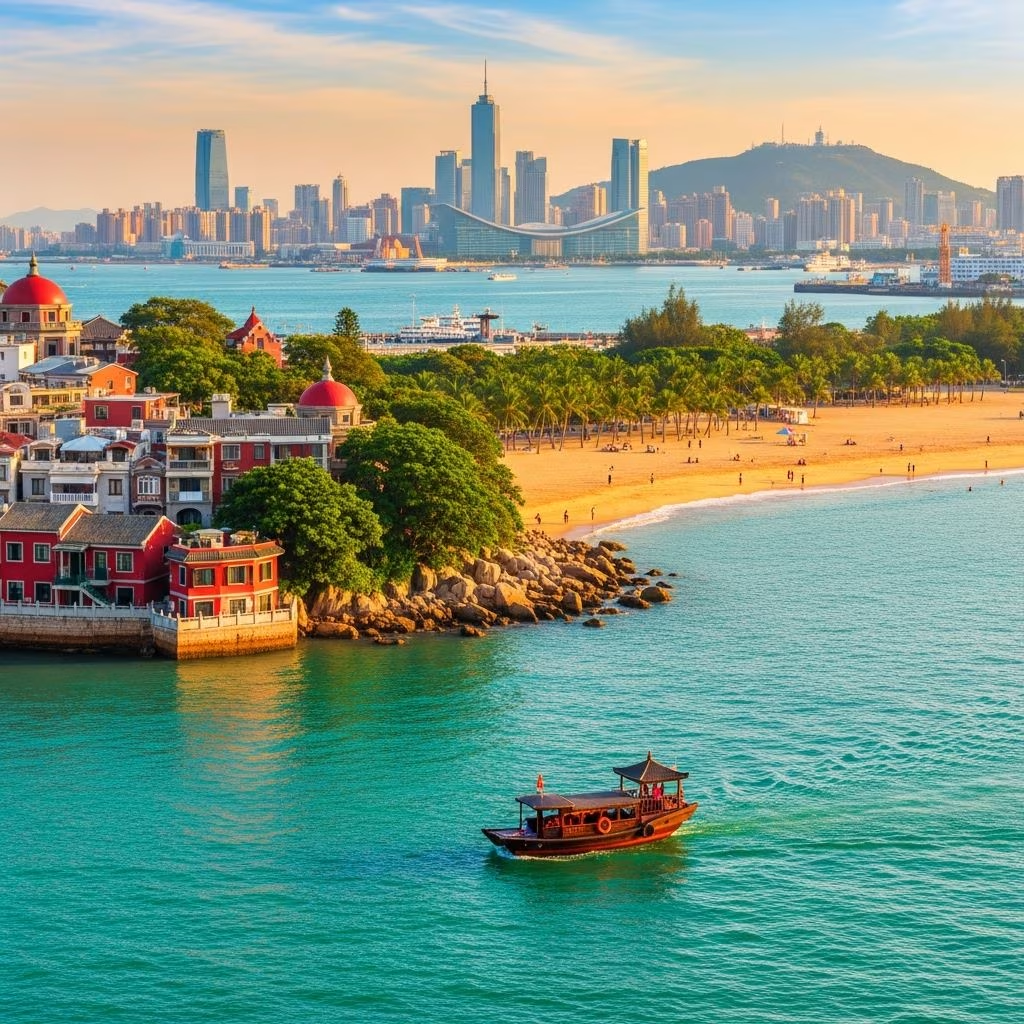
Explore Xiamen's must-visit attractions including island escapes, temples, gardens, and festivals that showcase China's southeastern coastal beauty.
 Travel Essentials
Xiamen, formerly known as Amoy, stands as one of China’s most captivating coastal cities, earning its reputation as the ‘Garden of the Sea.’ Located in southeastern Fujian Province, this charming destination blends historical significance with natural beauty, offering visitors a diverse array of experiences that range from serene island explorations to vibrant cultural celebrations. The city’s pleasant year-round climate and laid-back atmosphere make it an ideal destination for travelers seeking an authentic Chinese experience away from the bustling urban centers.
Unlike many Chinese cities dominated by high-rises and industrial development, Xiamen maintains a unique character through its preservation of colonial-era architecture, thriving Buddhist temples, and commitment to environmental conservation. First established as a treaty port, the city’s history is woven into its streets, buildings, and local traditions, creating a living museum where past and present coexist harmoniously.
The most iconic attraction in Xiamen is undoubtedly its island territories, which offer peaceful respites from urban energy. The archipelago setting creates numerous opportunities for serene walks and cultural immersion.
Upon arrival at these island districts, visitors immediately encounter striking examples of historical architecture representing multiple periods of international trade and influence. Former consulates, colonial-era residences, and merchant houses line the streets, each telling stories of Xiamen’s importance in maritime commerce. Notable structures include converted colonial buildings that now serve as galleries and museums, such as facilities showcasing artifacts gifted to Chinese emperors and Communist leaders by foreign dignitaries throughout history.
The pedestrian-friendly nature of these areas encourages extended exploration, allowing visitors to appreciate architectural details and discover hidden courtyards that reflect diverse design influences. Photography enthusiasts find endless subjects among the weathered facades and artistic street scenes.
Perched on elevated terrain within these island districts sits a magnificent mansion housing an exceptional collection dedicated to musical instruments from around the world. This specialized museum attracts music enthusiasts and curious travelers interested in understanding how different cultures express themselves through sound. The peaceful garden settings surrounding these cultural spaces provide ideal environments for contemplative visits.
Rising prominently above the island landscape, a distinctive volcanic outcrop serves as both a geographical landmark and historical monument. The moderately challenging ascent via steep stone steps rewards visitors with panoramic views extending across the city and surrounding waters. This elevated vantage point has attracted pilgrims and scholars for centuries, resulting in approximately 80 inscriptions left by prominent intellectuals etched into the rock face.
At the base of this formation stands a substantial memorial hall dedicated to a celebrated 17th-century local hero who played crucial roles in regional military campaigns and territorial expansion. This site represents one of Xiamen’s most important locations for understanding the city’s influence during China’s imperial periods.
Located beneath towering peaks, a significant Buddhist temple complex draws pilgrims and visitors from throughout Southeast Asia, establishing itself as a major spiritual destination. The serene setting incorporates a vast landscaped lake dotted with lotus blossoms, creating a naturally meditative atmosphere. The main worship area features impressive architectural elements including a grand hall presided over by three Buddha statues representing different temporal aspects of Buddhist philosophy.
The combination of spiritual significance, architectural grandeur, and natural beauty makes this complex an essential stop for both religious devotees and culturally curious travelers. Visiting early morning or late afternoon provides optimal conditions for photography and peaceful contemplation.
Xiamen’s premier botanical garden sprawls across mountainous terrain on the island’s southern region, featuring an extraordinary collection of tropical and subtropical plant species. The landscape design includes multiple themed garden sections, with a standout artificial rainforest environment complete with misting systems that recreate tropical atmospheric conditions. Beyond the rainforest simulation, visitors discover extensive desert plant collections, landscaped pathways, and serene water features.
The garden’s design acknowledges both horticultural education and recreational enjoyment, making it suitable for families, nature photographers, and botany enthusiasts. The elevation gain during exploration provides natural vantage points overlooking the island, combining physical activity with scenic rewards.
Despite Xiamen’s tropical climate creating naturally humid and warm conditions year-round, the therapeutic experience of soaking in natural hot springs maintains its cultural and wellness appeal. Modern spa facilities built around these thermal waters span several hectares of humid tropical forest, incorporating multiple pools of varying temperatures and therapeutic focus. Decorative elements throughout the resort include Buddha-themed statuary and faux-antique architectural features, blending relaxation with cultural aesthetics.
The hot spring tradition in this region extends back at least four centuries, though contemporary facilities have modernized the experience while maintaining cultural authenticity. These establishments serve both local residents seeking wellness benefits and tourists seeking unique spa experiences.
A remarkable feat of urban planning, Xiamen’s 23-kilometer pedestrian walkway represents an innovative approach to city design, creating an elevated path that winds from the city center toward coastal areas. Beginning near the international cruise terminal with an elegant spiral ramp climbing a nearby hill, this path ultimately reaches a beach destination on the island’s eastern side. The trail’s futuristic design stands in contrast to Xiamen’s historical elements, showcasing the city’s balance between preservation and modernization.
This walkway serves multiple purposes: recreational exercise, tourist sightseeing, and urban connectivity without requiring vehicle use. Different sections feature varying degrees of incline and natural surroundings, allowing users to choose routes matching their fitness levels and interests.
Traditional pedestrian shopping streets maintain their importance in Xiamen’s urban landscape, offering opportunities to purchase local goods, souvenirs, and regional specialties. These commercial areas serve as gathering places where locals and visitors interact, creating vibrant street-level energy and cultural exchange.
Xiamen’s position as a coastal city naturally emphasizes seafood in local cuisine. The city’s largest and most renowned food market represents not merely a commercial space but a cultural institution where locals source daily ingredients and tourists experience authentic market culture. The market displays an astounding variety of fresh seafood, preserved goods, and regional specialties.
Among notable local dishes, a particularly adventurous option features jellylike substance created from sandworms harvested from local beaches, boiled with gelatin into a textured delicacy. While the preparation process and appearance challenge some visitors’ comfort levels, enthusiasts of this regional specialty praise its unique flavor profile and textural properties.
Celebrated nationally in early June, Xiamen’s iteration of the Dragon Boat Festival gains particular vibrancy from the city’s archipelago geography and centuries-old maritime traditions. Race events typically begin near a major metro station in the mainland portion of Xiamen, drawing enthusiastic participants from multiple teams and communities. The festival structure emphasizes communal enjoyment and theatrical expression rather than purely competitive outcomes.
Team members demonstrate creativity through elaborate costume designs and choreographed performances between races, transforming the event into a celebration of culture and camaraderie. Spectators experience not merely athletic competition but a full sensory cultural experience combining traditional boating practices with contemporary entertainment. The event’s setting along coastal waters creates photographic opportunities and contributes to the festive atmosphere.
Beyond the major temples previously discussed, Xiamen contains numerous religious structures representing various faith traditions. Catholic churches, mosques, and temples dedicated to local deities dot the urban landscape, reflecting the city’s history as an international trade hub where multiple cultures coexisted. These structures, ranging from centuries-old buildings to more recent constructions, provide insight into how different communities established themselves within Xiamen’s society.
Xiamen serves as an excellent base for exploring surrounding regions featuring UNESCO World Heritage sites and traditional cultural settlements. Nearby areas contain distinctive circular earth buildings (Tulou) featuring unique architectural designs that have fascinated visitors for generations. Various organized tours offer transportation and guided experiences to these cultural landmarks, ranging from budget-friendly group options to private customized excursions.
What is the best time to visit Xiamen?
Xiamen enjoys spring-like weather throughout most of the year, making it suitable for year-round travel. However, avoiding typhoon season (typically July through September) ensures more predictable conditions.
How many days should I spend in Xiamen?
A minimum of two days allows coverage of major attractions such as island districts, temples, and the botanical garden. Extended stays of four to five days permit deeper cultural immersion and day trips to surrounding areas.
Is Xiamen suitable for families?
Yes, the city offers family-friendly activities including peaceful island walks, botanical gardens, interactive museums, and recreational facilities. The general safety and accessibility of attractions make it suitable for various age groups.
What transportation options exist within Xiamen?
Ferries connect island areas with mainland districts, and metro systems facilitate urban movement. The elevated pedestrian walkway provides alternative transportation and recreation.
Xiamen represents an ideal destination for travelers seeking to experience authentic Chinese culture combined with natural beauty, historical significance, and modern urban amenities. Whether visiting for spiritual exploration, cultural enrichment, culinary adventure, or simple relaxation, the city offers diverse experiences suitable for various travel styles and interests.
