

 Travel Essentials
 Travel Essentials

Explore sustainable practices in Yellowstone, from green lodging and waste reduction to wildlife respect and low-impact travel tips for preserving this iconic park.
 Travel Essentials
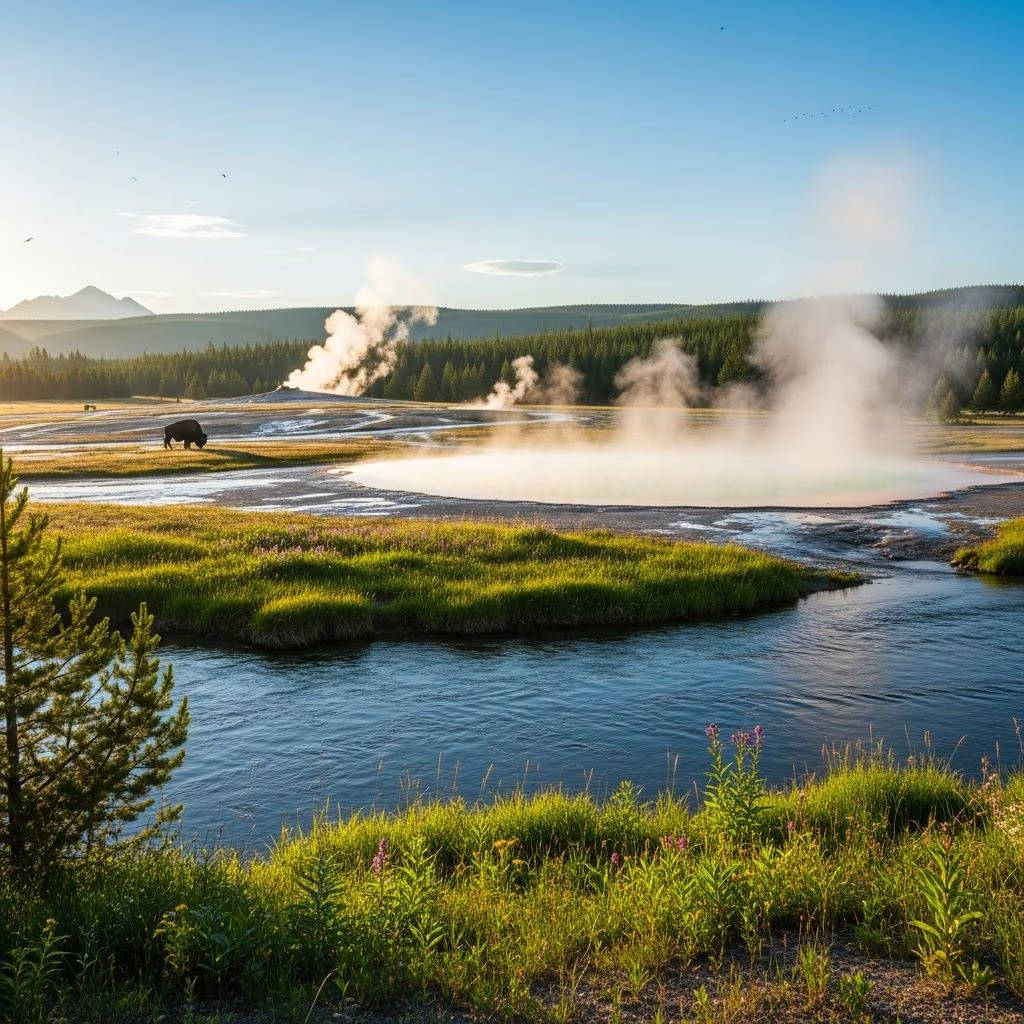
Yellowstone National Park, the world’s first national park established in 1872, spans 2.2 million acres across Wyoming, Montana, and Idaho. Its geothermal features, diverse wildlife, and pristine landscapes draw over 4 million visitors annually. Balancing tourism with conservation is crucial, as the park implements sustainability across operations, partnerships, and visitor guidelines to protect its ecosystems.
The National Park Service (NPS) at Yellowstone prioritizes sustainability in its operations, extending conservation beyond visitor activities to internal practices. Efforts focus on renewable energy adoption, water conservation, emission reductions, waste minimization, and climate-resilient infrastructure.
Key strategic areas include enhancing wildlife habitats, improving energy efficiency, and upgrading employee facilities. For instance, the park supports renewable technologies where feasible and transforms its vehicle fleet to lower fuel use and emissions. These measures ensure the park’s longevity for another 150 years.
Yellowstone National Park Lodges (YNPL), the primary hospitality provider, collaborates closely with NPS to embed sustainability into guest services. This partnership fulfills the park’s dual mandate of resource preservation and public enjoyment.
YNPL’s initiatives cover sustainable construction, transportation, retail, and food services. An employee dormitory achieved LEED Platinum certification, the highest standard for energy-efficient, low-impact buildings using recycled materials and waste-minimizing processes.
| Initiative | Description | Impact |
|---|---|---|
| Sustainable Design | LEED-certified lodges at Canyon Village (Gold and Silver) | Energy savings, renewable materials, zero-waste construction |
| Waste Management | Composting, recycling, guest efficiency programs | Reduced landfill contributions, resource recovery |
| Transportation | Low-emission vehicles and tech upgrades | Lowered park-wide emissions |
| Sourcing | 50% sustainable merchandise and food | Supports local, eco-friendly suppliers |
These efforts create the most environmentally focused workplace in hospitality, as noted by staff, integrating diverse perspectives for holistic sustainability.
Visitors play a pivotal role in sustainability. Simple choices like reusable items and ethical wildlife viewing reduce collective harm. YNPL provides tips such as passing on single-use plastics by using refill stations at all lodges.
Research shows park visits generate about 1 megaton of carbon emissions yearly, averaging 479 kg per visit, underscoring the need for mindful travel.
Leave No Trace (LNT) is a cornerstone of responsible recreation, emphasizing seven principles: plan ahead, travel on durable surfaces, dispose of waste properly, leave what you find, minimize campfire impacts, respect wildlife, and be considerate of others.
In Yellowstone, operators like Yellowstone Safari Company enforce LNT through small groups, professional optics for distant viewing, and sticking to trails. This preserves healthy wildlife, clean waters, intact landscapes, and authentic experiences.
Sustainable tourism balances economic benefits, community well-being, and environmental health, maximizing positives while curbing negatives.
A 3-day eco-friendly itinerary minimizes footprints while maximizing immersion. Stay in LEED-certified lodges, hike maintained trails, and dine locally.
This approach combines education, stewardship, and enjoyment.
Yellowstone’s model influences other parks, highlighting effective NPS-concessioner collaborations despite challenges like remote locations and preservation conflicts. Social sustainability includes employee welfare through green housing.
Carbon footprint studies reveal tourism’s environmental cost, pushing innovations in transport and energy. Ongoing NPS efforts ensure resilience against climate change.
Bring a reusable water bottle; filling stations are at all lodges and visitor centers. Avoid single-use bottles to cut manufacturing and landfill waste.
Lodges use recycled materials, energy-efficient systems, and waste-free construction processes, earning Gold and Platinum ratings.
It protects fragile ecosystems, prevents wildlife habituation, and maintains natural behaviors for future visitors.
Yes, they reduce vehicle emissions and congestion; combine with biking for even lower impact.
High visitation, remote access, emissions from travel (479 kg CO2 per visit), and balancing preservation with access.
By adopting these practices, visitors contribute to Yellowstone’s enduring legacy. Collective action through partnerships, technology, and behavior safeguards this natural treasure.
