


 Food & Culture
Food & Culture
Yorkshire Beer Scene: Historic Pubs, Craft Breweries and Taprooms
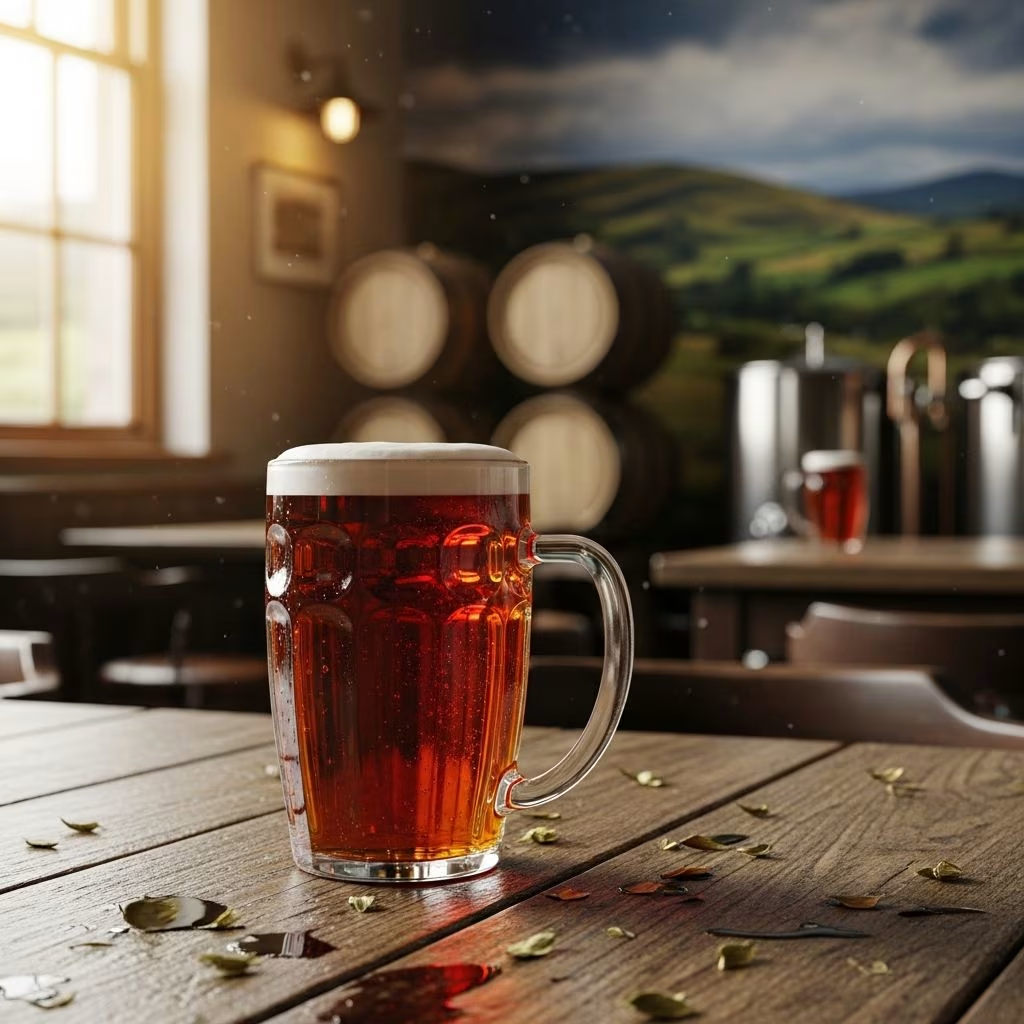
Yorkshire's transformation into a world-class brewing destination showcases England's evolution from traditional ales to innovative craft beverages.
 Food & Culture
Yorkshire has undergone a remarkable transformation over the past two decades, establishing itself as England’s premier destination for beer enthusiasts and cultural travelers alike. What was once a region known primarily for its industrial heritage has evolved into a vibrant center for both traditional ale production and cutting-edge craft brewing innovation. This northern county now serves as the focal point for understanding how England has shifted from its historical reputation as a producer of warm, flat beverages to becoming a leader in global craft beer excellence.
The statistics tell a compelling story. According to Britain’s Campaign for Real Ale, Yorkshire boasts approximately 400 pubs and over 170 breweries recognized for their exceptional contributions to the brewing industry. This concentration of brewing activity within a single region is unparalleled in England, making Yorkshire an essential pilgrimage site for anyone interested in contemporary beer culture and traditional brewing methods.
The Historical Foundation of Yorkshire Brewing
Yorkshire’s brewing heritage stretches back centuries, deeply embedded in the region’s social and economic fabric. The area’s access to pure water sources and proximity to grain-growing regions created ideal conditions for beer production, leading generations of families to establish brewing operations that became cornerstones of local communities.
The county is home to several legendary breweries that have maintained their operations and reputation for over a century. Timothy Taylor’s and Samuel Smith’s represent this old-guard brewing tradition, having perfected their craft through decades of consistent quality and methodical production techniques. These establishments serve as living museums of brewing tradition, where visitors can observe processes that have remained largely unchanged for generations, offering a tangible connection to England’s brewing past.
The Modern Craft Revolution and Contemporary Innovation
While Yorkshire’s historic breweries continue to produce world-renowned ales, the region has experienced a dramatic expansion in craft brewing over recent years. This explosion of new breweries reflects broader changes in consumer preferences and represents a new generation of entrepreneurs and passionate beer makers reimagining what English beer can be.
Contemporary Yorkshire breweries embrace experimental approaches while respecting brewing fundamentals. Many establishments focus on hop-forward beers and innovative flavor profiles that challenge traditional palates. Breweries like Magic Rock and Northern Monk have become destinations in their own right, featuring modern taprooms housed in converted industrial spaces with exposed brick walls, polished concrete floors, and minimalist design aesthetics. These venues represent a cultural shift in how beer is consumed and celebrated, transforming ale from a pub staple into a craft product worthy of dedicated pilgrimage.
The modern brewing movement in Yorkshire demonstrates resilience and adaptability. When the hospitality industry faced unprecedented challenges in recent years, many breweries implemented creative strategies to maintain operations and customer connections. This adaptability has become a defining characteristic of Yorkshire’s contemporary beer culture, proving that innovation extends beyond flavor profiles to encompass business models and community engagement.
Urban Taproom Culture and Industrial Heritage
One of the most distinctive features of Yorkshire’s beer scene is how breweries have repurposed the region’s industrial landscape. Former warehouses, factories, and commercial spaces have been transformed into vibrant taproom environments where beer enthusiasts gather to sample new releases and connect with fellow aficionados.
This architectural approach serves multiple purposes. First, it preserves Yorkshire’s industrial heritage while giving it contemporary relevance and purpose. Second, it creates authentic spaces that reflect the region’s character rather than generic, standardized bar environments found in other locations. The exposed brick walls, high ceilings, and raw aesthetic common to these converted spaces create an atmosphere that feels uniquely Yorkshire while celebrating modern craft sensibilities.
These taprooms have become cultural hubs extending beyond beer consumption. Many host live music events, food pairings, trivia nights, and community gatherings. The brewery experience has expanded to encompass social connection, cultural enrichment, and educational opportunities about brewing science and flavor development.
Accessibility and Independent Brewery Experiences
Unlike some beer regions where access to breweries requires organized tours or special arrangements, Yorkshire’s craft breweries actively encourage independent visits and self-guided exploration. This accessibility democratizes the beer experience, allowing visitors to explore at their own pace and connect directly with brewers and taproom staff.
Most Yorkshire breweries operate regular tours and tastings without requiring advance reservations, making spontaneous visits possible. This openness to visitors reflects the community-oriented ethos that characterizes the region’s brewing culture. Brewery staff typically demonstrate genuine enthusiasm for sharing knowledge about their production methods, ingredient selection, and flavor development processes.
Independent brewery exploration encourages visitors to discover locations beyond mainstream tourist routes. Small towns throughout Yorkshire feature local breweries producing distinctive beers that reflect their specific communities and water chemistry. This decentralized distribution of brewing activity means that authentic beer experiences are available throughout the entire region rather than concentrated in major urban centers.
Geographic Diversity and Regional Styles
Yorkshire’s size and varied geography have produced distinct regional brewing styles and characteristics. Urban centers like Leeds and York support dynamic craft scenes with experimental breweries pushing flavor boundaries. Meanwhile, smaller towns and countryside regions maintain connections to traditional brewing methods and classic ale styles that defined English beer culture for generations.
The diversity creates an opportunity for visitors to experience multiple beer traditions within a compact geographic area. A single trip to Yorkshire can encompass visits to industrial-style craft breweries in urban environments, historic family-run breweries in small market towns, and countryside pubs serving cask-conditioned ales from regional producers. This variety makes Yorkshire uniquely suited for comprehensive beer education and cultural immersion.
Different areas have developed reputations for specific beer styles and brewing philosophies. Some regions emphasize traditional methods and historic recipes, while others concentrate on contemporary techniques and innovative flavor combinations. This diversity ensures that beer travelers with different preferences and interests can find authentic experiences aligned with their particular interests.
The Pub Culture and Social Context
Yorkshire’s beer scene extends far beyond brewery visits to encompass an extensive pub culture that forms the social backbone of beer appreciation. Pubs serve as community gathering spaces where locals and visitors engage with beer in its traditional social context.
The region features an impressive selection of pubs recognized for excellence in ale selection, cask maintenance, and customer service. Many establishments maintain inclusion in prestigious guides that highlight venues demonstrating exceptional commitment to beer quality and variety. These pubs range from intimate neighborhood bars to larger establishments capable of hosting substantial crowds, each contributing to the broader ecosystem of beer culture.
Public house visits provide context for understanding how beer functions within British social traditions. The pub represents more than a commercial transaction; it embodies principles of community, tradition, and social connection that have evolved over centuries. Experiencing Yorkshire’s pub culture offers insights into how beer serves as a medium for social bonding and cultural continuity.
Planning Your Yorkshire Beer Experience
Visitors interested in exploring Yorkshire’s beer scene should consider several approaches to structuring their visit:
- Urban brewery tours in Leeds and other major cities provide concentrated exposure to contemporary craft brewing
- Countryside exploration reveals historic breweries and traditional pubs in smaller communities
- Pub crawls organized through major towns create structured social experiences while supporting local establishments
- Independent brewery visits allow flexibility and discovery of lesser-known producers
- Guided tours led by local experts provide historical context and insider knowledge unavailable through independent exploration
The optimal approach often combines multiple elements, alternating between structured tours and independent exploration, urban and rural experiences, and contemporary craft venues with historic establishments. This balanced approach provides comprehensive understanding of how Yorkshire’s beer culture encompasses both innovation and tradition.
Food and Cultural Integration
Yorkshire’s beer culture exists within a broader context of regional food traditions and culinary practices. The region’s renowned curry establishments create natural pairings with beer exploration, as spiced cuisine complements hoppy ales and rich stouts. Many visitors complete beer-focused days with traditional curries, integrating multiple elements of Yorkshire food culture into their experience.
Breweries increasingly recognize the importance of food integration, with many taprooms featuring food services or hosting pop-up food events. This connection between beer and culinary tradition reflects understanding that beverage appreciation is enhanced through complementary flavors and comprehensive sensory experiences.
Seasonal Variations and Year-Round Appeal
Yorkshire’s beer scene remains active throughout the year, though seasonal variations exist. Summer months attract increased visitor traffic and enable outdoor beer garden experiences. Winter months showcase warming ales and seasonal brews designed for colder weather. Spring and autumn offer ideal conditions for countryside brewery exploration and pub walking routes.
Seasonal beer releases provide reasons for repeat visits and create anticipation within the local community. Breweries develop limited-edition offerings that reflect seasonal ingredients and brewing traditions, making each season distinctive and encouraging visitors to experience the region across multiple timeframes.
The Global Significance of Yorkshire Brewing
Yorkshire’s beer scene has attracted international recognition and influenced global brewing trends. The region’s commitment to quality, innovation, and tradition has established it as a reference point for understanding contemporary English beer culture. International brewers study Yorkshire’s approaches, local brewers receive invitations to brewing competitions worldwide, and beer enthusiasts from across the globe visit specifically to experience Yorkshire’s offerings firsthand.
This global recognition validates Yorkshire’s position as more than a regional phenomenon; it represents a significant cultural export and source of regional pride. The beer industry has become economically important for Yorkshire, generating tourism revenue, supporting employment, and creating international business opportunities.
Practical Information for Visitors
Yorkshire offers extensive accommodation options ranging from budget hostels to luxury hotels, ensuring accessibility for visitors with different budgets. Transportation networks connect major cities effectively, and many breweries remain within reasonable distances from public transit. Visitor information centers throughout the region provide detailed guidance on brewery locations, opening hours, and organized tour availability.
Most breweries welcome visitors during standard opening hours without advance notice, though contacting ahead for group visits or specific tour times remains advisable. Many establishments offer merchandise, bottled beer for retail purchase, and special items unavailable elsewhere, making brewery visits economically beneficial for local producers.
References
- Tapping into the Yorkshire beer scene — Lonely Planet. https://www.lonelyplanet.com/articles/tapping-into-the-yorkshire-beer-scene
- The Yorkshire Beer Bible (3rd edition) — It’s The Beer Talking. https://itsthebeertalking.co.uk/the-great-leeds-pubcrawl-3rd-edition/
- Beer Travel: Yorkshire — The Crafty Pint. https://craftypint.com/news/1602/beer-travel-yorkshire
- Campaign for Real Ale (CAMRA) – Good Beer Guide 2018 — CAMRA. https://www.camra.org.uk/
On This Page
The Historical Foundation of Yorkshire Brewing The Modern Craft Revolution and Contemporary Innovation Urban Taproom Culture and Industrial Heritage Accessibility and Independent Brewery Experiences Geographic Diversity and Regional Styles The Pub Culture and Social Context Planning Your Yorkshire Beer Experience Food and Cultural Integration Seasonal Variations and Year-Round Appeal The Global Significance of Yorkshire Brewing Practical Information for Visitors← Previous
8-Day Julian Alps Itinerary: Bled, Bohinj, Soča Valley & Vršič Pass
Next →
Mumbai Street Food Guide: Best Snacks, Spots & Tips
Related Reading
More in Food & Culture
Food & Culture Food & Culture
 Food & Culture
Best Places to Eat in Rome: Neighborhood Dining Guide
 Food & Culture
 Food & Culture