

 Travel Essentials
 Travel Essentials

Comprehensive guide to Yosemite National Park: plan your visit, explore must-see sights, best hikes, lodging options, and practical advice for first-timers.
 Travel Essentials
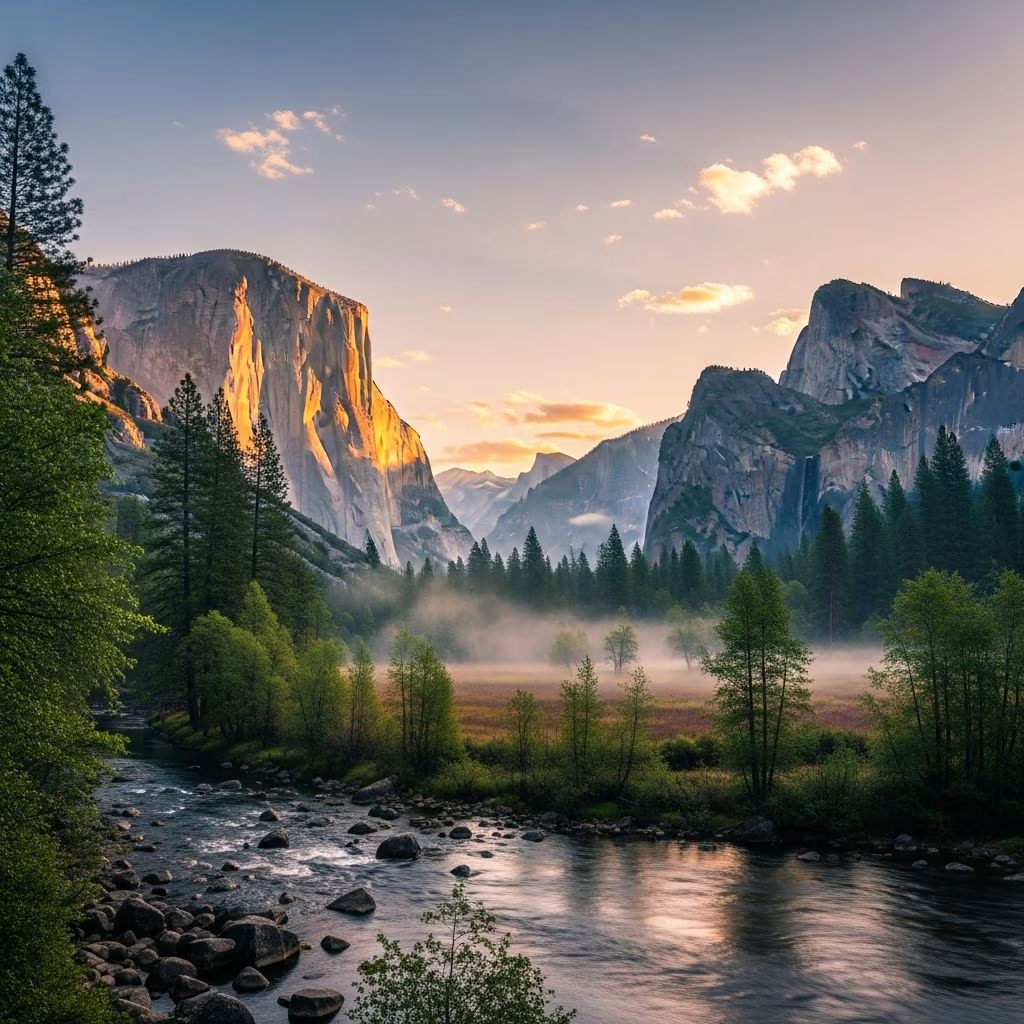
Yosemite National Park spans over 1,200 square miles of diverse terrain in California’s Sierra Nevada mountains, offering granite cliffs, ancient sequoias, cascading waterfalls, and pristine wilderness for hikers, campers, and nature lovers alike.
This UNESCO World Heritage site draws millions annually for its dramatic landscapes shaped by glaciers. Iconic features like El Capitan and Half Dome attract climbers and photographers, while serene meadows and groves provide peaceful escapes. Whether seeking adventure or relaxation, Yosemite delivers unparalleled natural beauty.
Preparation is key to enjoying Yosemite without frustration. No entry reservation is required in 2026, but the $35 per vehicle entrance fee applies. Book lodging, campsites, or backpacking permits well in advance, especially April through October when crowds peak.
Consult the free Yosemite Guide, available at entrances or via the NPS app, for schedules of ranger-led walks, talks, and events.
Access Yosemite via highways from major California cities. From San Francisco, it’s a 3-4 hour drive east on CA-120. Sacramento visitors take CA-120 west (4 hours). Flying into Fresno Yosemite International Airport (FAT) offers the closest option, followed by shuttle or rental car (1.5-2 hours to park entrances).
| Gateway City | Drive Time | Route |
|---|---|---|
| San Francisco | 3-4 hours | CA-120 (Tioga Pass seasonal) |
| Sacramento | 4 hours | CA-120 |
| Fresno | 1.5 hours | CA-41 to South Entrance |
| Los Angeles | 6 hours | CA-99 to CA-41 |
Shuttles like YARTS connect from nearby towns; Amtrak buses reach Merced for transfers.
This glacially carved valley hosts 95% of visitors and features sheer granite walls, thundering waterfalls, and the Merced River. Park at lots and use free shuttles or rent bikes to navigate the 12-mile loop path past Tunnel View, El Capitan Meadow, and Yosemite Falls.
Near the South Entrance, this 500-acre grove boasts over 500 mature giant sequoias, including the Grizzly Giant (30 feet wide). Hike 2-mile loops from the welcome plaza; accessible paths suit all abilities. Open year-round, but shuttle required in summer.
A 1-hour drive from the Valley (seasonal road), this 7,214-foot overlook reveals Half Dome, Yosemite Falls, and high country. Combine with Sentinel Dome hike for 360-degree views. Ideal for sunset photography.
South of the Valley, Wawona offers historic Pioneer Village and easy access to sequoias. Further out, Hetch Hetchy Reservoir provides quieter trails and less-crowded waterfalls like Wapama Falls.
Yosemite boasts 800+ miles of trails. Start easy and build up.
Secure wilderness permits for overnights via recreation.gov. Check trail conditions on NPS site.
Choices range from luxury to backcountry. Reserve 5+ months ahead.
| Type | Locations | Price Range (per night) | Notes |
|---|---|---|---|
| Hotels/Lodges | Yosemite Valley (Ahwahnee, Yosemite Valley Lodge), Wawona Hotel | $250-$600 | Full amenities; book via yosemite.com |
| Campgrounds | Upper Pines (Valley), Wawona, Bridalveil Creek | $36-$50 | Reserve via recreation.gov; bear boxes required |
| Housekeeping Cabins | Curry Village | $150-$250 | Basic canvas tents or wood cabins |
| Backcountry | Varies | Free (permit fee) | Wilderness permit needed |
Outside park: Bass Lake or Oakhurst for motels and Airbnbs.
Options are limited; stock up in Groveland, Oakhurst, or Mariposa. Valley has Degnan’s Kitchen (sandwiches, pizza), Ahwahnee Dining Room (fine dining), and food trucks. Wawona Hotel offers hearty meals. Pack picnics for trails—bear-proof coolers essential.
Ideal: May-Jun or Sep for balance of weather and visitors.
Yosemite’s beauty demands respect. Stay on trails to avoid poison oak and rattlesnakes. Lightning risks in afternoons—hike early. Hypothermia possible even in summer at elevation.
Enter South Entrance, hike Mariposa Grove (2 hours), drive to Valley for shuttle loop: Lower Yosemite Fall, Bridalveil, Mirror Lake. Sunset at Glacier Point if open.
Day 1: Valley focus—Mist Trail to Vernal/Nevada, bike paths.
Day 2: Mariposa Grove, Glacier Point, depart.
Add Clouds Rest or backpacking; explore Hetch Hetchy.
No entry reservation required, but pay $35 vehicle fee. Book lodging/camping early.
Lower Yosemite Fall or Bridalveil Fall—short, scenic, accessible.
Yes, black bears are common. Use food storage lockers always.
Shuttles recommended in Valley; some roads seasonal (e.g., Glacier Point, Tioga Pass).
First-come sites limited (e.g., some Wawona spots), but book ahead.
Minimize impact: carpool, use shuttles, support local businesses outside park. Avoid single-use plastics; refill water at stations.
