


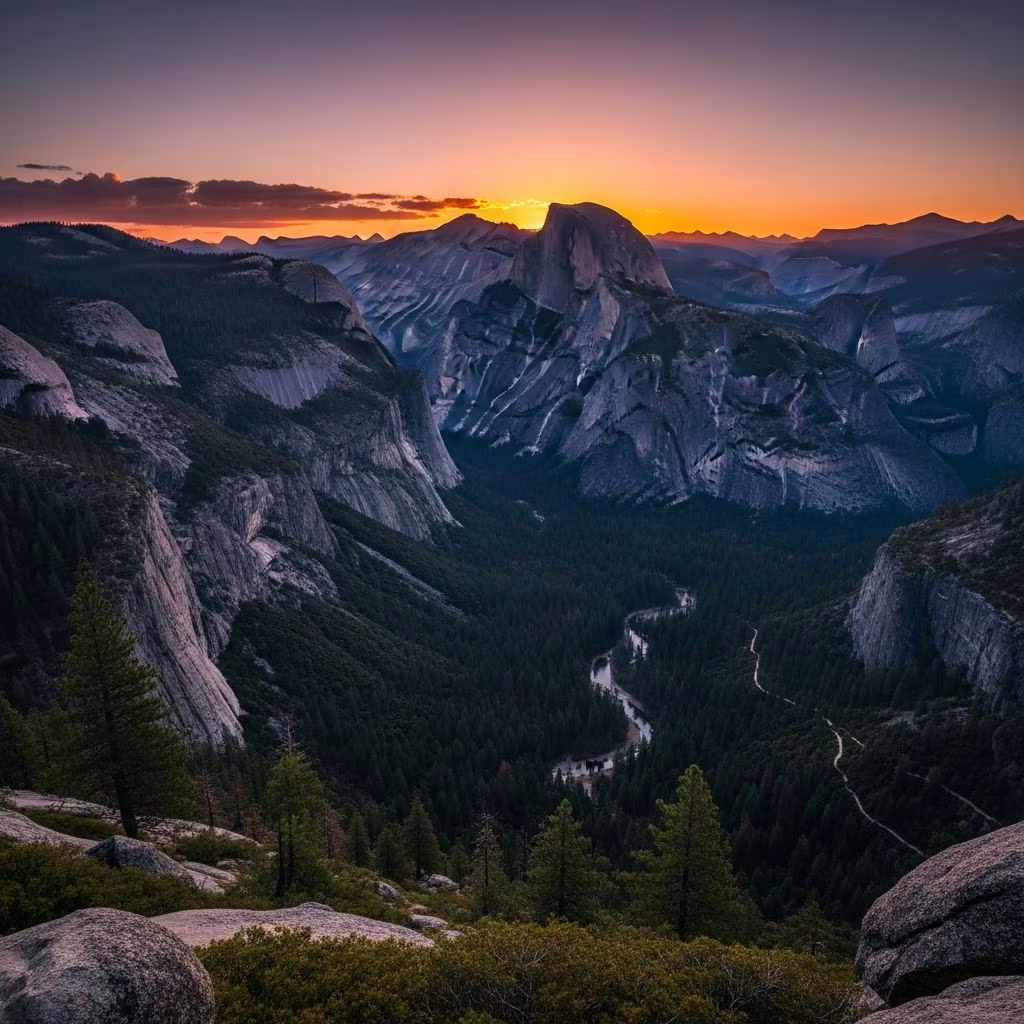
Yosemite National Park spans 760,000 acres of pristine wilderness, attracting millions of visitors annually who seek to experience its granite peaks, cascading waterfalls, and ancient forests. However, the park’s popularity can present significant challenges for unprepared travelers. Whether you’re planning your first visit or returning for another adventure, understanding key preparation strategies transforms your experience from potentially frustrating to genuinely memorable. This guide addresses the critical factors that determine whether your Yosemite visit becomes a story of triumph or regret.
Understanding Yosemite’s Entrance Requirements and Access Policies
A fundamental misconception many potential visitors hold concerns whether reservations are mandatory for park entry. As of 2026, no advance reservation is required to enter Yosemite National Park. However, this policy applies specifically to day-use access only. The park entrance fee remains applicable regardless of whether you reserve in advance, so budget approximately $35 per vehicle for a seven-day pass or $80 for an annual pass.
The distinction between entry reservations and lodging reservations proves critical for planning purposes. While you can arrive spontaneously during non-peak periods, the National Park Service strongly recommends securing advance reservations for camping, lodging, and backcountry camping. These accommodations book months in advance during summer months, often filling completely by early spring. Strategic planning allows you to secure preferred locations and avoid the disappointment of arriving to find all facilities at capacity.
Cellular connectivity represents an often-overlooked logistical consideration. Substantial portions of the park lack reliable cell service, so download offline maps, establish communication plans with companions, and inform family members of your itinerary before entering the park. This preparation prevents unnecessary anxiety and ensures safety should emergencies arise.
Timing Your Visit: Balancing Seasons and Crowds
Each season offers distinct advantages and presents specific challenges that require careful consideration. Understanding these seasonal dynamics helps you select the optimal travel window for your circumstances and preferences.
Winter Adventures and Constraints
Winter transforms Yosemite into a stunning frozen landscape, where snow-covered peaks and ice-laden trees create photographic opportunities unmatched by other seasons. Solitude becomes the primary advantage during winter months, as the vast majority of annual visitation occurs during warmer seasons. Trails that overflow with hikers during summer become peaceful wilderness experiences.
However, winter visits demand preparation for sub-freezing temperatures and substantial road closures. High-altitude passes including those through the High Sierras close when snow accumulation reaches critical levels. Before departing for your winter visit, verify road conditions through the official Yosemite website or visitor center to confirm accessibility to your intended destinations.
Spring and Waterfall Season
Spring marks the season when snow melt from high elevations transforms streams into torrential waterfalls, creating the most dramatic water displays of the year. Bridalveil Fall, Yosemite Falls, and Nevada Fall reach peak flow during this period, rewarding photographers and waterfall enthusiasts with spectacular views. This seasonal window typically spans April through May, depending on winter snowfall amounts.
The tradeoff involves river crossings that may become impassable due to elevated water levels. Trails requiring river fords often become temporarily inaccessible, forcing hikers to modify routes or abandon specific destinations entirely. Consult trail reports before committing to specific hikes, and be prepared with alternative routes should water levels prove prohibitively high.
Summer Crowds and Peak Season
Summer represents the busiest visitation period, with the valley and popular trails experiencing substantial congestion. While weather proves most favorable during this season, expect delays of an hour or longer at park entrances and significant competition for parking spaces. Strategic timing—arriving before 9 AM or after 5 PM—significantly reduces traffic delays and improves parking availability.
Fall’s Moderate Conditions
Fall offers a middle ground between summer crowds and winter isolation, with stable weather conditions and noticeably fewer visitors than peak season. Road closures remain minimal, making all park areas accessible for exploration.
Strategic Route Planning and Navigation
Yosemite Valley comprises less than 1 percent of the park’s total area, yet attracts the majority of visitors seeking granite cliffs, iconic formations like El Capitan and Half Dome, and easily accessible trails. Spreading your visit across multiple park areas requires intentional planning but dramatically enhances your experience by reducing crowds and exposing you to diverse landscapes.
A comprehensive multi-day itinerary might allocate 1-2 days to Yosemite Valley for iconic views and moderate trails, 1-2 days exploring Tioga Road and high-altitude meadows in northern Yosemite, and 1-2 days visiting Mariposa Grove and Hetch Hetchy for alternative experiences. This distribution allows you to experience Yosemite’s remarkable diversity while minimizing time spent navigating crowded areas.
Avoiding Peak-Hour Traffic and Planning Arrival Times
During spring through fall months, arriving before 9 AM or after 5 PM substantially reduces entrance delays and parking competition. This simple timing adjustment frequently eliminates waiting entirely, allowing immediate access to trails and scenic areas. Morning arrivals provide the additional benefit of securing parking in optimal locations before peak-period crowds arrive.
Avoiding holiday weekends proves equally important, particularly Memorial Day, Independence Day, and Labor Day weekends. These extended weekends draw concentrated visitation that overwhelms park infrastructure and creates conditions of extreme congestion.
Wildlife Interaction and Bear Country Protocols
Yosemite’s wildlife represents fundamental elements of the park’s ecosystem and warrants respectful distance from all visitors. Approaching, following, or feeding any wildlife—whether bears, deer, squirrels, or birds—violates park regulations and endangers both animals and humans. Animals habituated to human presence and food become dangerous and often require removal or destruction.
Bear encounters demand particular attention. Proper food storage using provided bear lockers or bear canisters prevents bears from accessing human provisions. Never leave food in vehicles overnight, and maintain awareness while hiking by using bear bells that alert animals to your approach, preventing startling encounters. These practices protect both your safety and bear populations.
Backcountry Ethics and Leave-No-Trace Principles
Visitors venturing beyond developed areas must embrace leave-no-trace principles to preserve Yosemite’s wilderness character. This means carrying out all trash, food remnants, and human-generated waste. Camps should leave no visible evidence of human presence—the motto “campgrounds are found, not made” encapsulates this principle.
Waste disposal requires specific protocols. Human waste in backcountry areas must be deposited in holes dug at least six inches deep in soil, located at least 100 feet from water sources, campsites, and established trails. All toilet tissue must be packed out rather than buried. Campsites must be located at least 100 feet from water sources and any cultural or historic sites.
Physical Preparation and Trail Safety Considerations
Yosemite’s trails range from short, easily accessible walks to strenuous multi-day backpacking routes requiring significant physical fitness and mountaineering skills. Popular valley trails like Bridalveil Fall and Lower Yosemite Fall accommodate visitors of moderate ability, while challenging hikes like Upper Yosemite Falls’ 7.5-mile round trip demand considerably greater endurance.
Honestly assessing your physical capabilities prevents injuries and dangerous situations. Trails involving climbing, ledge walking, or river crossings present particular risks. Never continue hiking beyond your ability level—turning back represents the appropriate response when conditions exceed your capabilities. Elevation changes affect hiking difficulty dramatically; high-altitude hiking consumes significantly more energy than equivalent distances at lower elevations.
River crossings warrant particular caution. The safest crossing points occur where rivers run straight, but you should never attempt to cross water deeper than thigh level. Swimming in rivers remains prohibited; instead, seek designated swimming areas within the park. Rapidly flowing water often conceals hazards that create dangerous conditions even in apparently shallow sections.
Essential Packing and Weather Preparation
Yosemite’s dramatic elevation changes create weather conditions that shift dramatically between day and night. Daytime warmth frequently gives way to near-freezing temperatures after sunset. Standard daypack hiking often transitions into backcountry trips where nighttime cold becomes a genuine hazard requiring appropriate gear.
Packing requirements include waterproof outer layers that protect both yourself and gear from precipitation. Fleece or down layers provide critical insulation for temperature regulation at high elevations. Even summer backpacking demands sleeping systems rated for below-freezing temperatures to prevent hypothermia during unexpected cold snaps.
For multiday backpacking trips, carefully plan food and water consumption strategies. Research water sources along your intended route and carry sterilization tablets or water filters for treating wild water sources. Proper hydration and nutrition prevent fatigue and altitude-related issues.
Verifying Trail Conditions and Hazard Awareness
Backcountry conditions change dynamically due to weather, landslides, fallen trees, and fire activity. Before departing on any trail, verify current conditions at visitor centers or through official park resources. Recent weather events may render trails impassable or create new hazards. Ranger staff maintain current information about closures and dangerous conditions not yet widely publicized.
Should you encounter trail hazards—downed trees, washouts, or impassable water crossings—report these observations to rangers upon exiting the park. This feedback helps park staff maintain accurate trail information and prevents subsequent visitors from encountering unexpected dangers.
Frequently Asked Questions
- Do I need to book accommodations months in advance?
- Yes, if you prefer staying within the park. Campsites and lodge rooms typically book 2-6 months ahead during popular seasons. Last-minute accommodations may only be available in nearby towns outside park boundaries.
- What is the best time for first-time visitors?
- Late spring (May-early June) or early fall (September) offers favorable weather, reasonable crowds, and accessible road conditions. These windows provide optimal balance between weather stability and accessibility.
- Can I visit Yosemite as a day trip?
- Yes. Day visits work well for visitors living nearby or making brief stops. Allocate minimum 4-5 hours to experience Yosemite Valley basics; longer stays allow exploration of additional park areas.
- What if I arrive without advance reservations?
- You can enter the park without reservations, but camping and lodging availability may be extremely limited or nonexistent during peak seasons. Consider staying in nearby gateway towns and commuting daily.
- How do I know if roads are open?
- Check the official Yosemite website or call the visitor information line before travel. High-altitude roads close seasonally, typically remaining closed through winter and early spring.
Practical Itinerary Framework
A well-structured visit balances popular attractions with crowd-avoidance strategies. Consider this framework: arrive early morning to secure parking and avoid crowds; spend the day exploring less-crowded areas or venturing to trailheads before crowds accumulate; enjoy scenic viewpoints during late afternoon when peak-period visitors depart; explore evening activities or return to accommodations before darkness and nighttime cold arrive.
Multi-day visits allow deeper exploration. Day one might focus on Yosemite Valley essentials; day two could explore Tioga Road or Hetch Hetchy; day three permits backcountry or extended hiking adventures. This distributed approach prevents visitor fatigue while maximizing experience diversity.
Your Yosemite experience ultimately depends on preparation quality. Understanding reservation requirements, selecting optimal timing, respecting wildlife, embracing leave-no-trace ethics, honestly assessing physical capabilities, packing appropriately, and verifying trail conditions transforms potential chaos into successful wilderness adventure. These foundational preparations allow you to focus on the remarkable natural beauty rather than logistical stress.
References
- Plan Your Visit – Yosemite National Park — U.S. National Park Service. 2026. https://www.nps.gov/yose/planyourvisit/index.htm
- Frequently Asked Questions – Yosemite National Park — U.S. National Park Service. 2026. https://www.nps.gov/yose/faqs.htm
- 9 Things You Need to Know Before Traveling to Yosemite National Park — Lonely Planet. https://www.lonelyplanet.com/articles/things-to-know-before-traveling-to-yosemite-national-park
- Official Guide for Yosemite First-Timers — Yosemite.com. https://www.yosemite.com/official-guide-for-yosemite-first-timers/
- First-Time Yosemite Guide: Tips from a Former Park Ranger — One More Step Travels. https://www.onemoresteptravels.com/blog-homepage/yosemite-guide-first-time-visitors

