

 Travel Essentials
 Travel Essentials

Comprehensive guide to Yosemite National Park: entry tips, top hikes, lodging options, itineraries, and essential advice for an unforgettable visit amid granite peaks and waterfalls.
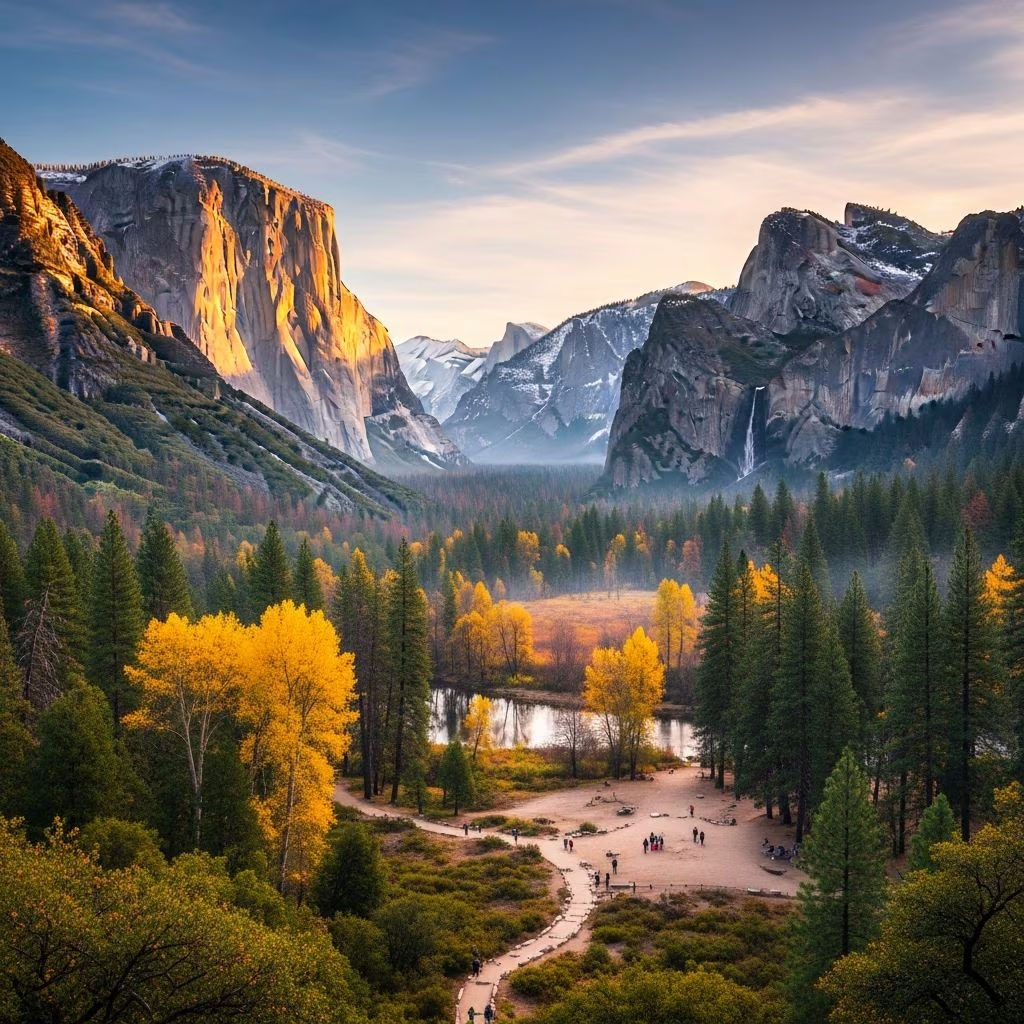 Travel Essentials
Yosemite National Park spans over 1,200 square miles of stunning granite cliffs, cascading waterfalls, ancient sequoias, and crystal-clear alpine lakes, drawing millions of visitors annually to its awe-inspiring landscapes. Established in 1890 and designated a UNESCO World Heritage site, Yosemite offers endless opportunities for hiking, camping, wildlife viewing, and serene reflection in one of America’s most treasured natural wonders. This guide equips first-time visitors with everything needed for a seamless trip, from navigating entry protocols to conquering iconic trails and securing accommodations.
Preparation is key to maximizing enjoyment in Yosemite, where high visitor volumes from April through October demand strategic timing. No entry reservation is required for 2026, but the standard entrance fee applies upon arrival—$35 per vehicle or $20 per individual. Strong recommendations include booking lodging, campsites, or backpacking permits well in advance, as popular spots fill quickly.
Pack patience for peak seasons, when Yosemite Valley sees the heaviest crowds. Opt for early arrivals before 9 a.m. or after 5 p.m. to dodge traffic jams, especially on routes into the valley. Cellular service remains spotty throughout much of the park, so download offline maps via the National Park Service app or Google Maps ahead of time.
Yosemite’s vast terrain divides into key areas, each offering unique experiences beyond the famed Yosemite Valley. Allocate time across regions for a fuller appreciation: spend 1-2 days in the valley, another 1-2 along Tioga Road or Hetch Hetchy, and more in Mariposa Grove or Wawona.
| Region | Highlights | Best For | Access Notes |
|---|---|---|---|
| Yosemite Valley | El Capitan, Half Dome views, Yosemite Falls, Merced River | Easy access, iconic sights, biking | Main hub; arrive early for parking |
| Mariposa Grove | Giant sequoias, Grizzly Giant tree | Forest walks, families | Southern entrance; shuttle available |
| Tioga Road | Tuolumne Meadows, alpine lakes like Cathedral Lakes | High-country hikes, summer only | Seasonal (June-Oct); elevation 8,000+ ft |
| Hetch Hetchy | O’Shaughnessy Dam, waterfalls | Less crowded hikes | Northwest entrance; reservoir views |
Free shuttles operate extensively in Yosemite Valley and to Mariposa Grove, reducing parking stress. Biking the 12-mile valley loop path connects major sights efficiently.
Yosemite boasts over 800 miles of trails, from gentle strolls to strenuous ascents. Waterfall hikes define the park’s signature allure, especially in spring when snowmelt peaks flows.
The Mist Trail to Vernal and Nevada Falls stands as Yosemite’s most celebrated hike, a 5-7 mile round trip climbing steep granite steps beside roaring waters. Expect mist showers and crowds—start at dawn with sturdy shoes, ample water, and trekking poles. For Half Dome aspirants, this trailhead leads to the cables (permit required). Descend via the less slippery John Muir Trail for Liberty Cap vistas.
Another gem: Upper Yosemite Falls Trail, a 7.5-mile round trip gaining 2,500 feet via relentless switchbacks. Panoramic valley overlooks reward the effort.
Secure wilderness permits for overnights via recreation.gov; popular trails like Half Dome lottery fills months ahead.
Day 1: Mariposa Grove and Wawona. Day 2-3: Valley base (Lower Fall, Mist Trail, Mirror Lake). Day 4: Tioga Road to Cathedral Lakes or Tuolumne. Day 5: Hetch Hetchy or Clouds Rest.
Expand with backpacking: Clouds Rest overnight, explore Glacier Point (shuttle or 4-mile trail), and sequoia grove extensions.
Choices range from luxury lodges to backcountry sites. Reserve 5-12 months early via yosemite.com or recreation.gov.
Dining spans park cafeterias to fine options like Ahwahnee Dining Room; pack groceries for picnics.
Spring (Mar-May): Waterfalls rage; trails muddy, roads icy. Summer: Peak crowds, Tioga opens. Fall: Foliage, fewer people. Winter: Snowshoeing, chains required.
Follow Leave No Trace: pack out waste, stay on trails, no drones. Fire restrictions vary; check alerts.nps.gov/yose.
No, but lodging and permits require advance booking. Entrance fee: $35/vehicle.
May-September for accessibility; shoulder seasons for solitude. Avoid holidays.
Daily lottery via recreation.gov; seasonal.
Leashed in developed areas only; no trails.
Limited; use Wi-Fi at lodges, download maps.
Yosemite captivates with its raw beauty and diverse adventures. Respect its fragility for future generations. Safe travels!
