

 Travel Essentials
 Travel Essentials

Explore Zermatt's premier ski resort, luxury accommodations, mountain dining experiences, and year-round alpine activities beneath the majestic Matterhorn.
 Travel Essentials
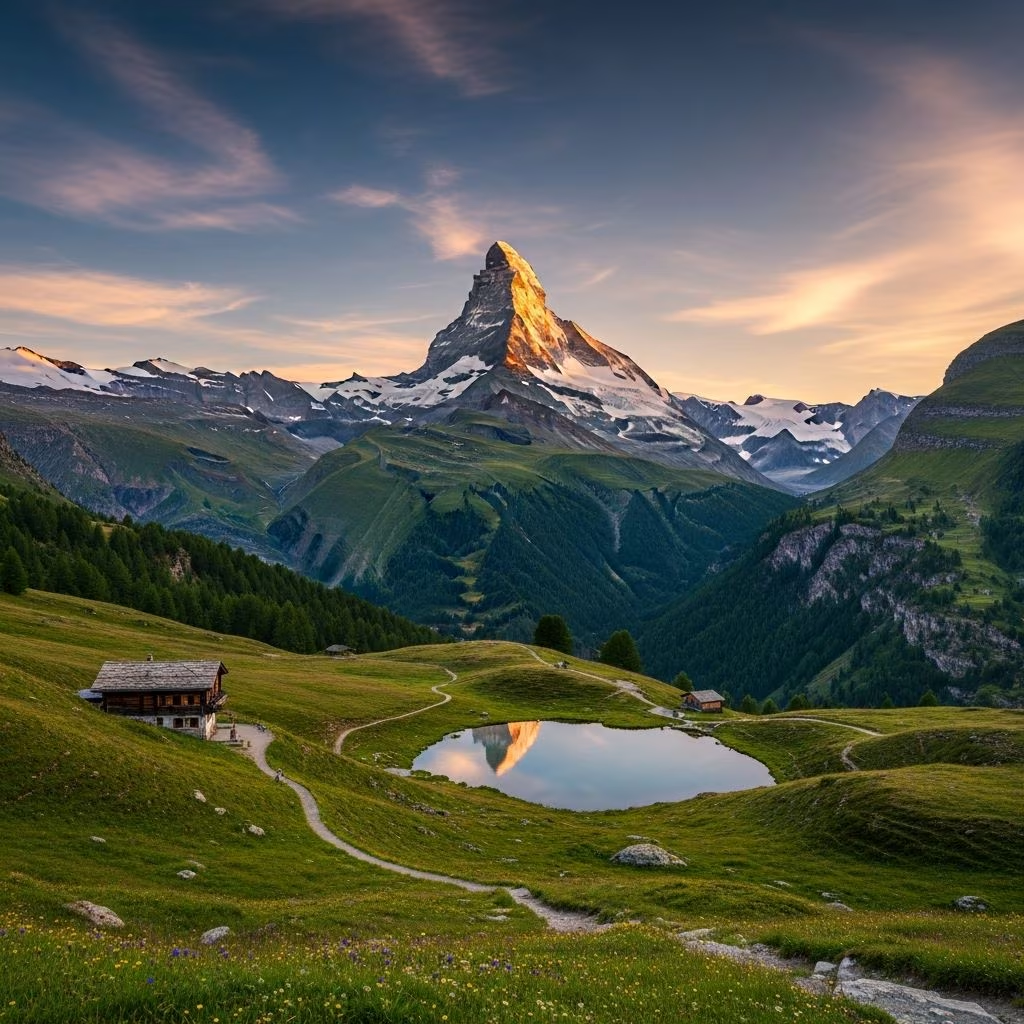
Nestled in the heart of the Swiss Alps, Zermatt represents one of Europe’s most distinctive mountain destinations, combining world-class outdoor recreation with exceptional hospitality and culinary excellence. The village, dominated by the iconic silhouette of the Matterhorn, offers visitors an immersive alpine experience that transcends the typical ski resort narrative. Whether you arrive during the snow-covered winter months or explore the verdant summer landscape, Zermatt delivers an unforgettable blend of adventure, luxury, and natural splendor that appeals to discerning travelers seeking authentic mountain culture.
Zermatt’s location in the Matter Valley creates a distinctive environment that shapes every aspect of the visitor experience. The village maintains its car-free status, a deliberate choice that preserves the alpine character and reduces environmental impact. This commitment to sustainability means visitors arrive either by rail through the Gotthard Base Tunnel or via cogwheel train, immediately establishing a more contemplative pace that contrasts sharply with typical resort destinations.
The surrounding terrain features three principal access points to the ski area, each offering distinct experiences and serving different visitor preferences. Understanding these geographic divisions proves essential when selecting accommodation, as your choice of base location directly influences your skiing style, social preferences, and overall convenience during your stay.
The Sunnegga region anchors the northern district of Zermatt, housing a concentrated cluster of essential services that appeal to visitors prioritizing accessibility and vibrant social scenes. This area concentrates ski schools, equipment rental facilities, and numerous cafés within walking distance of the valley station. The Sunnegga valley serves as a natural hub for après-ski enthusiasts, with convenient access to bars, live music venues, and the social energy that defines mountain nightlife.
The Gornergrat zone represents the central heart of Zermatt’s traditional village character. This historic area remains closest to shops, traditional restaurants, and the cogwheel railway station that connects to other Swiss destinations. Visitors choosing this location appreciate the balance between active pursuits and cultural immersion, with immediate access to local heritage sites and authentic village atmosphere.
The Matterhorn Express gateway, located to the south, attracts experienced skiers and adventure seekers drawn to advanced terrain and international connections. This area provides direct access to Klein Matterhorn at nearly 4,000 meters elevation, the internationally linked snow parks, and the cross-border connection to Italy’s Cervinia ski region. Those prioritizing tranquility alongside technical skiing often prefer this location, as it offers escape from village congestion while maintaining mountain restaurant sophistication.
The Matterhorn Ski Paradise operates with remarkable consistency, maintaining skiable terrain throughout calendar cycles thanks to its extraordinary altitude and snow preservation systems. The resort peaks at nearly 4,000 meters above sea level, making it the highest ski area throughout the entire Alpine mountain range. This elevation advantage translates into extended seasons, reliable snow conditions, and skiing opportunities available when lower-altitude resorts close seasonally.
The terrain structure accommodates all proficiency levels through carefully groomed intermediate runs, technical slopes demanding advanced technique, and gentle learner-friendly descents. Glacier skiing provides unique terrain characteristics and educational value, allowing visitors to understand alpine geology firsthand while developing ski skills in specialized snow conditions. The integration of Italian skiing through the Cervinia connection expands available terrain and introduces cultural diversity to the skiing experience.
Modern lift infrastructure ensures efficient mountain access without lengthy wait times. State-of-the-art aerial tramways, high-speed chairlifts, and cable systems transport visitors quickly from base areas to high-altitude starting points. This efficiency allows skiers to maximize vertical descent opportunities and sample diverse terrain variations throughout extended daily sessions.
Zermatt’s appeal extends substantially beyond the winter season, transforming into a premier hiking and mountaineering destination during warmer months. The alpine meadows bloom with wildflower species found nowhere else in Europe, creating spectacular photographic opportunities and naturalist research sites. The extensive trail network varies from leisurely valley walks suitable for families to challenging summit climbs demanding mountaineering expertise and technical equipment.
The Gornergrat Railway opens new perspectives on Matterhorn geography, ascending 1,600 meters while revealing successive landscape transformations from forest zones through alpine tundra to glacial terrain. Strategic stops along the route provide access to intermediate hiking levels, allowing visitors to customize activity intensity based on fitness and experience. Mountain photography enthusiasts find infinite compositional possibilities, with each elevation and season revealing different atmospheric conditions and lighting angles.
Glacier trekking introduces visitors to living ice systems and contemporary climate dynamics. Guided expeditions explain glacial mechanics, erosion patterns, and the relationship between modern temperature trends and ice mass retreat. These educational experiences combine adventure with scientific understanding, enriching comprehension of alpine ecosystem functions.
Zermatt’s lodging options range from intimate boutique properties emphasizing local character to contemporary luxury establishments featuring all modern conveniences. The finest properties position themselves along the three main streets paralleling the Matter Vispa River, ensuring proximity to essential services while maintaining mountain tranquility.
Luxury self-catering apartments and private chalets appeal to visitors seeking independence and extended-stay flexibility. Properties offering four- and five-star amenities typically include private terraces, heated outdoor facilities, and personalized concierge services. Mountain Exposure Luxury Chalets exemplifies this category, providing spacious studios with sitting areas, private jacuzzis, and complimentary transfer services that enhance guest convenience.
Boutique resort properties like Cervo Mountain Boutique Resort combine personalized service with sophisticated amenities, featuring ski-to-door access that eliminates the need for additional transport. Integrated wellness facilities address guest recovery and relaxation needs after active days on mountain terrain. Onsite restaurants showcasing eclectic menus celebrate regional ingredients while accommodating international palates.
Traditional hotels maintaining Swiss hospitality heritage offer exceptional value and authentic cultural engagement. These properties often occupy historic buildings reflecting alpine architectural traditions, with wood paneling, locally sourced furnishings, and staff possessing generations of local knowledge. Guest interactions with proprietors frequently yield insider recommendations unavailable through conventional tourism channels.
Zermatt’s culinary scene transcends typical resort food services, offering gastronomic experiences that deserve recognition as primary travel attractions rather than secondary amenities. The mountain hut restaurant philosophy defines the region’s unique approach to alpine dining, where rustic wood-paneled interiors adorned with traditional decorative elements create atmospheres emphasizing connection to place and community.
Midmountain establishments like Bergrestaurant Fluhalp, positioned at 2,606 meters elevation within the skiing and hiking nexus of the Sunnegga-Blauherd-Rothorn zone, exemplify this restaurant category. These venues combine accessibility via ski or hiking trails with menus emphasizing classic Swiss preparations and locally sourced ingredients. The dining experience integrates natural grandeur directly into meal enjoyment, as floor-to-ceiling windows frame panoramic views during meal consumption.
Village-based restaurants address more formal dining preferences while maintaining regional authenticity. These establishments elevate traditional dishes through contemporary preparation techniques and refined presentation, honoring culinary heritage while satisfying cosmopolitan expectations. Wine programs typically emphasize Swiss regional production, allowing guests to explore viticultural traditions from Valais and neighboring regions.
The mountain hut dining philosophy extends beyond food preparation to encompass entire philosophical approaches to hospitality. Servers and proprietors embody genuine enthusiasm for their environment, sharing stories about local history, weather patterns, and seasonal rhythms that deepen visitor appreciation for alpine existence.
Winter visitation demands preparation distinct from summer travel due to snow conditions, avalanche awareness, and specialized equipment requirements. The skiing season generally extends from November through April, with January and February offering the most reliable snow coverage. Fresh powder cycles typically follow major weather systems, creating powder skiing opportunities predictable within multi-day windows. Intermediate skiers should anticipate learning glacier techniques and adapting to variable snow conditions encountered at higher elevations.
Summer arrival requires different mindset adjustments, as hiking replaces skiing as the primary activity framework. Trail accessibility varies considerably based on snow melt timing and avalanche danger clearance. Typically, July and August offer maximum accessibility to higher-altitude trails, though weather patterns remain variable throughout the season. Early autumn hiking in September combines reliable weather with diminishing crowds and spectacular wildflower transitions toward dormancy.
Shoulder seasons present advantages and disadvantages worth analyzing before commitment. June and September offer milder conditions than peak summer but potentially limit trail accessibility due to lingering snow. These periods attract fewer visitors, translating into more intimate mountain experiences and easier accommodation availability at favorable rates.
Transportation to Zermatt via the Gotthard Base Tunnel provides efficient connectivity from northern Europe while introducing scenic impressions during the cogwheel train journey through progressively alpine landscapes. This rail-based approach eliminates parking concerns and vehicle rental costs, reducing trip complexity. Swiss travel passes provide unlimited transportation flexibility on interconnected rail networks, allowing spontaneous exploration of nearby regions.
Altitude acclimatization should inform activity planning during initial visit days, particularly for visitors arriving directly from sea-level regions. The rapid elevation gain from 1,600 meters in the village to 4,000 meters at Matterhorn summit introduces physiological stress deserving respectful consideration. Scheduling lighter activities during arrival days and gradually increasing exertion levels optimizes comfort and safety.
Equipment rental facilities throughout Zermatt offer current technology and properly maintained gear, eliminating the need for personal equipment transportation. Professional staff provide fitting guidance and equipment recommendations customized to skill level and intended activities. This flexibility appeals particularly to international visitors seeking to avoid luggage complications.
Family-friendly properties prioritize spacious accommodations with separate sleeping areas, allowing parental supervision while respecting personal space boundaries. Facilities offering childcare services, ski schools with pediatric instruction, and gentler terrain access prove most suitable. Chalets with kitchen facilities enable flexible meal timing accommodating young schedules.
Sunnegga and Gornergrat regions emphasize intermediate terrain accessibility and social engagement. Matterhorn Express provides advanced skier priorities through glacier access and technical slope concentrations. All zones offer beginner options through dedicated ski schools and graduated terrain progression.
Horse-drawn sleighs and electric vehicles provide limited village transport, though most visitors navigate on foot. The car-free environment emphasizes walking as the primary movement method, requiring realistic physical capability assessment for older or mobility-limited guests.
Extensive hiking networks offer varied difficulty levels from valley walks requiring minimal exertion to challenging summit attempts demanding mountaineering expertise. The Gornergrat Railway eliminates climbing requirements while providing high-altitude exposure. Mountain guides customize experiences to individual capability levels.
While regional cuisine dominates, village restaurants increasingly offer contemporary international selections acknowledging cosmopolitan visitor demographics. However, experiencing traditional Swiss alpine cuisine should remain a primary culinary priority, as this represents the authentic cultural expression of the region.
