


 Food & Culture
Food & Culture
Zero-Waste Restaurants Leading Sustainable Fine Dining
Explore the world's pioneering zero-waste restaurants that minimize environmental impact through innovative sourcing, composting, and reusable systems while delivering exceptional cuisine.
 Food & Culture
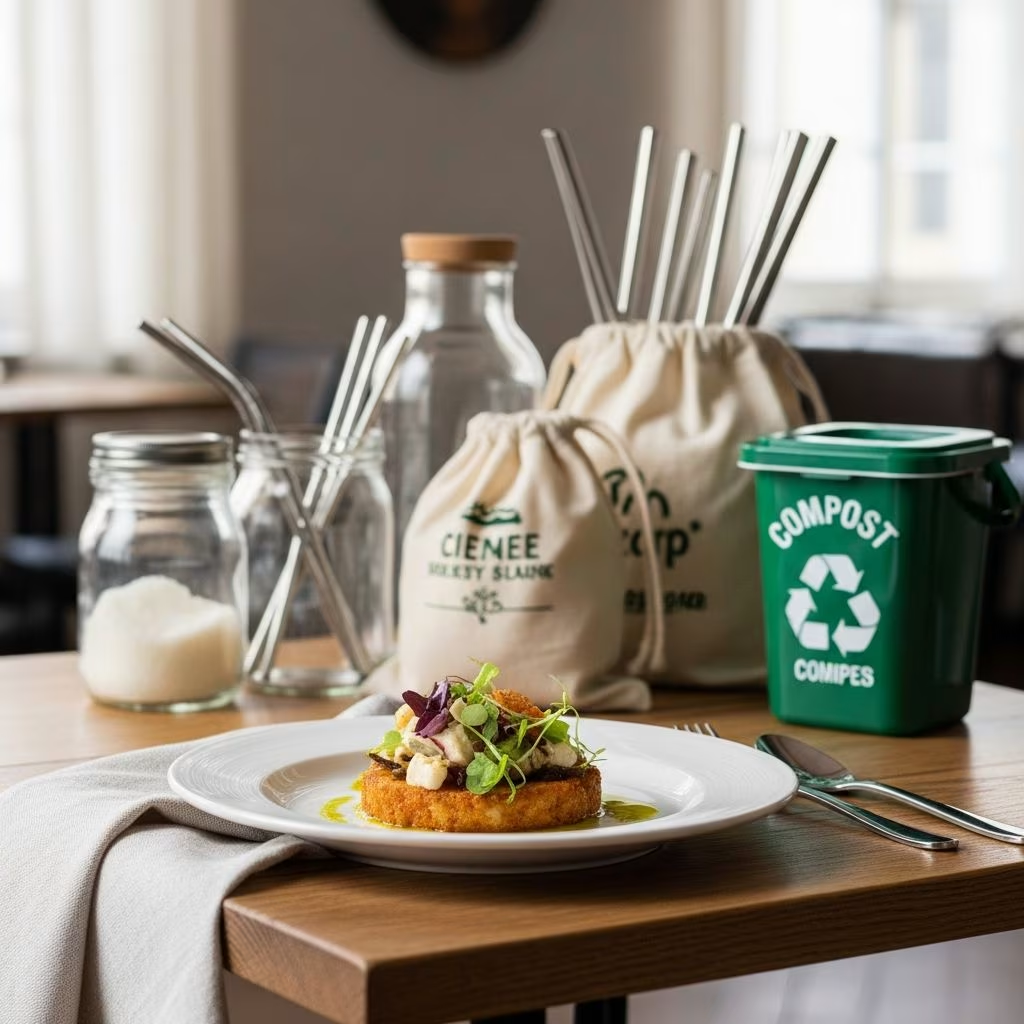
Zero-waste restaurants are transforming the culinary landscape by prioritizing sustainability without compromising flavor or innovation. These establishments employ rigorous practices such as composting food scraps, sourcing local and seasonal ingredients, and using reusable packaging to drastically reduce landfill contributions. As global awareness of environmental issues grows, these pioneers demonstrate that high-end dining can align with planetary health.
The Rise of Sustainable Gastronomy
The movement toward zero-waste dining has accelerated in recent years, driven by chefs committed to ecological responsibility. What was once a niche concept is now a benchmark for excellence, with accolades like Michelin Green Stars recognizing efforts in sustainable cuisine. These restaurants challenge traditional models by rethinking supply chains, from farm to table and back again through waste recycling.
Key principles include minimizing packaging, upcycling materials, and closing nutrient loops via on-site composting. For instance, many return composted waste to local farmers, fostering a circular economy. This approach not only cuts emissions but also enhances ingredient quality and supports regional agriculture.
London’s Silo: Pioneering Urban Zero Waste
Silo in London stands as the world’s first zero-waste restaurant, proving that even in a bustling metropolis, sustainability is achievable. Founded on the vision of a trash-free operation, Silo innovates with an in-house flour mill grinding wheat into fresh flour and a brewery using live cultures for natural fermentation.
All deliveries arrive in reusable containers, and any minimal waste goes straight to composting. Furniture and tableware are upcycled—plates once served as plastic bags—embodying a full commitment to repurposing. Diners enjoy seasonal menus that highlight whole ingredients, reducing food waste at every stage.
Berlin’s FREA: Plant-Based Perfection
In Berlin, FREA embodies its motto “full taste, zero waste” as Germany’s first vegan zero-waste spot. Earning a Michelin Green Star, it sources organic, seasonal, meat-free ingredients from regional producers. Fruits and vegetables arrive in reusable crates, eliminating single-use plastics.
The kitchen team crafts pasta, bread, and chocolate in-house to avoid packaged goods. A state-of-the-art composting machine processes scraps into fertilizer within 24 hours, which is shipped back to farmers or even used by local zoos for gardening. This closed-loop system exemplifies how plant-based dining can drive broader ecological benefits.
Spain’s Azurmendi: Three-Star Sustainability
Azurmendi in Spain holds three Michelin stars and is renowned for its eco-innovations. Rainwater harvesting meets needs from irrigation to flushing, while passive solar design and natural ventilation eliminate air-conditioning and minimize lighting.
The restaurant supports small-scale fishing with vessels under 12 meters and prioritizes native pig breeds. It overpays local farmers to ensure fair practices, blending gastronomic excellence with ethical sourcing. Surrounded by gardens, Azurmendi grows much of its produce on-site.
Bangkok’s Haoma: Tropical Zero-Waste Innovation
Haoma, Bangkok’s inaugural zero-waste restaurant, fuses Thai flavors with environmental ethos. Its philosophy emphasizes intelligent waste reduction, creating green oases amid urban density. Chefs transform scraps into stocks and ferments, ensuring nothing is discarded.
Integrated research supports sustainable techniques, like growing seagrass as a superfood. Reusable systems and local partnerships keep operations lean, making Haoma a model for tropical climates where waste management poses unique challenges.
Global Innovators in Low-Waste Dining
- Aponiente (Spain): Focuses on sustainable seafood, pioneering techniques to utilize every part of the fish while promoting marine ecosystem health.
- Boragó (Chile): Embraces an “endémica” approach, sourcing exclusively native Latin American ingredients to highlight biodiversity.
- Timberyard (UK): Prioritizes foraged and farm-fresh elements in a rustic setting, minimizing transport emissions.
- Locavore NXT (Bali): Experiments with regenerative agriculture, turning restaurant waste into farm inputs.
These spots showcase diverse strategies tailored to their locales, from marine conservation to indigenous crop revival.
Common Strategies for Zero-Waste Success
Across these venues, shared tactics emerge:
| Strategy | Description | Examples |
|---|---|---|
| Composting | On-site machines convert scraps to fertilizer returned to suppliers | FREA, Silo |
| Reusable Packaging | Suppliers use returnable crates and containers | Haoma, Azurmendi |
| Local Sourcing | Seasonal, regional ingredients reduce transport | Boragó, FREA |
| Upcycling | Repurposing materials for interiors and serviceware | Silo |
| Water Efficiency | Recycling and passive systems cut usage | Azurmendi |
Such methods not only slash waste—often to near zero—but also elevate flavors through freshness and creativity.
Challenges and Future Directions
Achieving zero waste demands overcoming hurdles like supplier buy-in and regulatory gaps. Urban spaces face space constraints for composting, while fine-dining expectations require balancing aesthetics with practicality. Yet, these restaurants thrive by partnering with like-minded producers and investing in technology.
Looking ahead, expect expansion into more cities and cuisines. Michelin Green Stars incentivize adoption, potentially mainstreaming these practices. Consumer demand will drive further innovation, making sustainable dining the norm.
How to Choose and Support Zero-Waste Spots
Seek certifications like Green Stars or transparent waste policies. Ask about sourcing and composting—true leaders share proudly. Dine mid-week to ease peak pressures, and tip generously to sustain operations.
- Research menus for whole-ingredient use
- Opt for tasting menus to minimize plate waste
- Follow restaurants on social media for events
Frequently Asked Questions (FAQs)
What does zero-waste mean for a restaurant?
It signifies diverting all waste from landfills through composting, reusing, and recycling, often achieving 95%+ diversion rates.
Are zero-waste meals more expensive?
They can be due to premium local sourcing, but value lies in ethical impact and superior quality.
Can any restaurant go zero-waste?
Yes, with commitment—start small with composting and reusable suppliers.
How does zero-waste affect menu creativity?
It sparks innovation, like turning scraps into ferments or stocks, enhancing flavors.
Where to find zero-waste restaurants near me?
Check Michelin guides, sustainability apps, or sites like HappyCow for vegan options.
References
- World’s Best Eco-Friendly Restaurants (2025) — Insight Vacations. 2025. https://www.insightvacations.com/blog/eco-friendly-restaurants/
- The six most sustainable restaurants in the world — KTCHNrebel. N/A. https://www.ktchnrebel.com/most-sustainable-restaurants-worldwide/
- The best low-waste fine dining restaurants in the world — Blinter Magazine. 2025-03-17. https://blintermagazine.com/2025/03/17/the-best-low-waste-fine-dining-restaurants-in-the-world/
- How to enjoy zero waste dining around the world — InsureandGo. N/A. https://www.insureandgo.com/blog/zero-waste-restaurants/
- Top 10: Sustainable Restaurants — Food and Drink Digital. N/A. https://fooddigital.com/top10/top-10-sustainable-restaurants
On This Page
The Rise of Sustainable Gastronomy London's Silo: Pioneering Urban Zero Waste Berlin's FREA: Plant-Based Perfection Spain's Azurmendi: Three-Star Sustainability Bangkok's Haoma: Tropical Zero-Waste Innovation Global Innovators in Low-Waste Dining Common Strategies for Zero-Waste Success Challenges and Future Directions How to Choose and Support Zero-Waste Spots Frequently Asked Questions (FAQs) Related Reading
More in Food & Culture
Food & Culture Food & Culture
 Food & Culture
Best Places to Eat in Rome: Neighborhood Dining Guide
 Food & Culture
 Food & Culture