

 Travel Essentials
 Travel Essentials

Practical zero-waste travel tips for lighter packing, reusable essentials, smarter transport, and less trash on every trip.
 Travel Essentials
Traveling without generating piles of trash is achievable through deliberate choices that prioritize reusables, local resources, and low-impact habits. This guide equips you with strategies to transform your trips into environmentally responsible experiences, drawing from proven practices that cut waste dramatically.
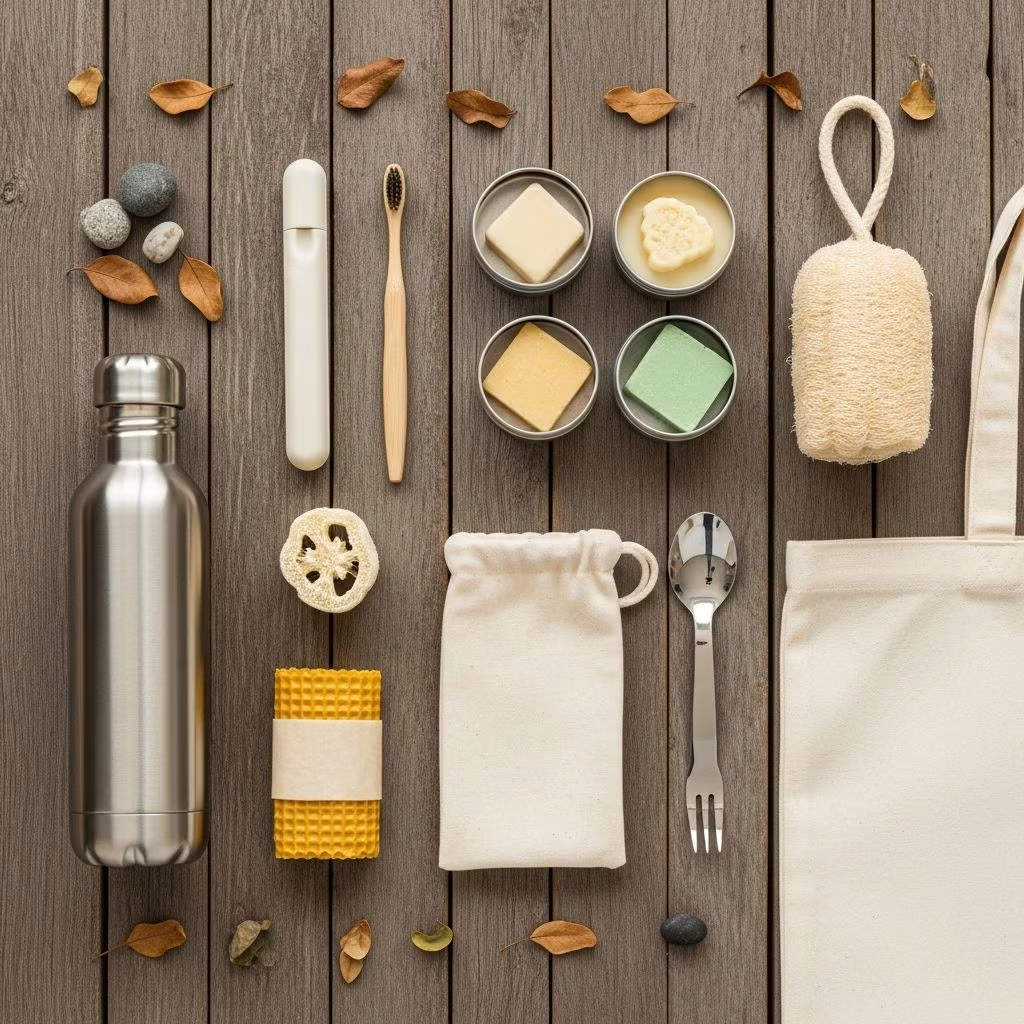
The foundation of low-waste journeys starts with a compact kit of multi-purpose items always at hand. These essentials replace single-use plastics encountered in transit, accommodations, and daily outings.
Carry this kit in hand luggage for instant access. Many travelers report filling just one small jar with unavoidable waste over multi-week trips using such setups.
Packing light and wisely prevents excess consumption abroad. Focus on versatile, durable items made from natural fibers to extend usability and reduce laundry needs.
| Category | Zero-Waste Picks | Why It Works |
|---|---|---|
| Clothing | Capsule wardrobe of mix-and-match natural fabrics like cotton, linen | Reduces items needed; hand-wash with bar soap |
| Toiletries | Solid shampoos, deodorant bars, toothpaste tabs | No liquid leaks or plastic tubes |
| Laundry | Microfiber-trapping bag, eco-soap sheets | Captures shedding particles, enables sink washing |
| Menstrual/hygiene | Reusable cups, cloth pads | Eliminates disposables entirely |
Avoid synthetics initially if possible, but use filters like Guppyfriend bags for microfiber capture during washes. Plan outfits for trip length, incorporating quick-dry layers for versatility.
Transportation choices heavily influence overall emissions and waste. Prioritize options that minimize fuel use and packaging.
Companies like Intrepid provide refill stations on tours, proving scalable zero-waste models exist. For road trips, collect compostables in sealable bins for community drop-offs.
Food-related waste dominates travel trash. Shift to practices that support local economies and reduce packaging.
Seek farmers’ markets, bulk bins, and zero-waste stores using apps like Bulk Finder. Carry containers for leftovers or market hauls. Learn phrases like “No bag, please” or “Takeaway in my container” in local languages to ease refusals.
Compost scraps via ShareWaste app locations. In Brazil, avoiding plastic bags prevents contribution to 1.5 million hourly discards.
Select lodging aligned with sustainability to amplify efforts.
Conserve water by shorter showers and reusing towels. Road-trippers can camp to bypass commercial waste streams.
Not all destinations have robust systems, so adapt flexibly.
Track waste in a jar to visualize progress—many achieve near-zero.
Extend impact by contributing locally.
These amplify personal reductions into collective change.
Challenges arise, but solutions exist.
| Challenge | Solution |
|---|---|
| Language barriers | Pre-learn key phrases; use translation apps |
| Limited facilities | Pack for self-sufficiency; choose prepared hosts |
| Temptation of convenience | Remind of long-term gains; start small |
| Flying necessities | Direct routes, offsets, pack light |
A starter kit includes a water bottle, mug, cutlery, napkins, and tote—expand as needed for personal habits.
Aim for minimal; some hygiene items persist, but 90% reduction is common with planning.
Sink-wash with bar soap in microfiber bags; air-dry overnight.
Most venues accept them; security may inspect liquids, so choose solids.
Initial kit investment pays off via avoided buys; locals often cheaper.
Zero-waste evolves from habit to instinct. Track trips, share tips, advocate for better infrastructure. Collective shifts pressure industries—tours now prioritize refills due to demand. Natural fibers replace synthetics over time, composting becomes routine. Embrace imperfection; each refused bag counts.
Integrate tech: Apps for bulk stores, waste maps, offsets. For families, kid-sized reusables build lifelong habits. Business travelers pack kits for meetings, influencing corporates.
Seasonal tweaks: Winter layers reduce heating needs; summer favors quick-dry reusables. Cultural respect: Adapt kits to norms, like metal straws where bamboo taboos exist.
Measure success by jar fill—empty means triumph. Share photos online to inspire networks. This approach not only preserves destinations but enhances trips with purpose and connection.
