

 Travel Essentials
 Travel Essentials

Compare Zion and Bryce Canyon national parks to determine which destination suits your interests, fitness level, and travel preferences best.
 Travel Essentials
Utah’s two most iconic national parks—Zion and Bryce Canyon—attract millions of visitors annually, yet each offers a distinctly different landscape and experience. While both parks showcase Utah’s extraordinary geology, they appeal to different types of travelers. Understanding the key differences between these destinations will help you choose the park that aligns with your travel goals, physical capabilities, and vacation timeline.
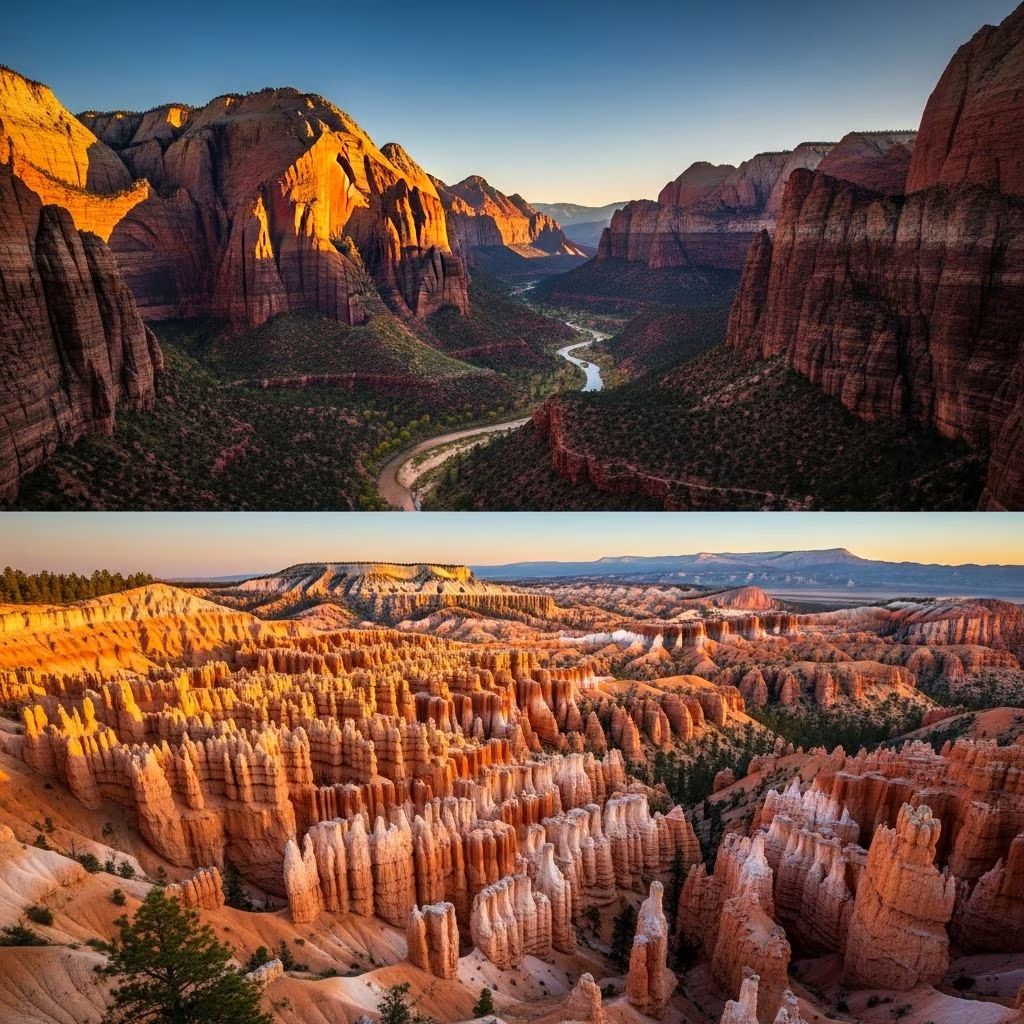
The most fundamental distinction between Zion and Bryce Canyon lies in their geographic positioning and resulting environments. Zion National Park features a dramatic canyon landscape carved by the Virgin River, with towering red and orange cliffs rising thousands of feet on either side of the canyon floor. Visitors spend considerable time at the canyon bottom, immersed in the valley landscape rather than observing from elevated vantage points.
Bryce Canyon, conversely, sits at a much higher elevation of approximately 8,000 feet on the Paunsaugunt Plateau. Rather than a traditional canyon carved by water, Bryce showcases thousands of distinctive rock formations called hoodoos—tall, narrow spires that create an otherworldly amphitheater effect. The park offers expansive long-range views stretching across the plateau and beyond, creating a vastly different visual experience from Zion’s enclosed canyon environment.
Temperature variations between the parks significantly impact visitor comfort and activity planning. Zion experiences soaring temperatures between late May and early September, with mid-day hiking becoming potentially unsafe during peak summer months. The lower elevation intensifies heat exposure, particularly in narrow canyon sections with limited shade.
Bryce Canyon maintains cooler temperatures year-round due to its higher elevation, making it an excellent destination for summer travel when Zion becomes uncomfortably hot. However, this elevation advantage comes with trade-offs: winter visitors may encounter snow and icy conditions at Bryce, whereas Zion remains more accessible during colder months.
| Factor | Zion National Park | Bryce Canyon National Park |
|---|---|---|
| Elevation | Lower elevation | ~8,000 feet |
| Summer Heat | Extreme; hiking unsafe mid-day | Mild and comfortable |
| Best Visiting Season | Spring and Fall | Summer and Early Fall |
| Winter Accessibility | Generally accessible | Snow and ice possible |
Zion attracts adventure seekers and experienced hikers who want to feel truly immersed in the landscape. The park’s most famous hikes—Angel’s Landing and The Narrows—demand varying levels of physical commitment and technical skill. Angel’s Landing requires hikers to navigate steep, exposed ridgelines with cables for safety, while The Narrows involves wading through water in a narrow canyon passage. The park’s diverse trail portfolio allows visitors to hike completely in water, traverse canyon ridges, explore unique rock formations like The Subway, and experience trails with spectacular scenery.
Bryce Canyon offers hiking opportunities through unique geological formations, with easier accessibility to dramatic viewpoints. The park features hiking and biking trails that traverse the hoodoo-filled landscapes, but the trails generally demand less technical expertise than Zion’s signature hikes. Many Bryce experiences involve relatively short rim walks or descents into the hoodoo amphitheaters, requiring less intensive planning and physical conditioning.
Operational differences between the parks affect trip planning significantly. Zion implements a mandatory shuttle system for much of the year through the main canyon area, requiring advance planning and potentially limiting spontaneity. Visitors must coordinate shuttle timing, plan hiking schedules around shuttle availability, and potentially obtain permits for certain trails. This structure, while managing crowding, adds logistical complexity to trips.
Bryce Canyon operates more straightforwardly, featuring one main entrance providing access to hoodoo-filled amphitheaters and the Southern Scenic Drive. The park’s design allows visitors to drive to multiple viewpoints and complete short walks at their own pace, offering greater flexibility and less logistical stress. This accessibility advantage particularly benefits families with young children, travelers accompanied by elderly companions, and visitors with limited mobility.
Both parks reward photographers but with distinct visual strengths. Zion showcases scale, deep shadows, and dramatic vertical compositions, with early morning light creating soft tones in the canyon and late afternoon light casting rich contrasts across the cliffs. The park’s vertical walls and river setting create opportunities for powerful landscape imagery.
Bryce delivers intense color and texture, particularly at sunrise and sunset when hoodoos cast long shadows and reveal subtle color layers. The park’s amphitheater perspective provides unique compositional opportunities unavailable at Zion. Sunrise at Bryce Canyon creates especially striking photographic conditions, with the distinctive spires glowing in golden and pink hues against the developing sky.
Choosing between these parks ultimately depends on aligning park characteristics with visitor needs and preferences:
Zion has become one of the most popular U.S. National Parks, with corresponding crowd levels that can impact the visitor experience during peak seasons. The shuttle system helps distribute crowds, but popular trails still attract substantial foot traffic.
Bryce Canyon, while also popular, generally maintains a quieter atmosphere with a more contemplative tone. The park’s design naturally spreads visitors across multiple viewpoints rather than concentrating them on specific trails, creating a less crowded feel overall.
When time is limited and you must choose a single park:
Both parks are world-class destinations that pair exceptionally well in a Southern Utah itinerary. Located only 1.5 to 2 hours apart, both accessible within a 4-hour drive from Salt Lake City, visiting both parks during a single trip remains feasible for travelers with adequate vacation time. This approach allows visitors to experience Zion’s immersive canyon drama and Bryce’s quiet, otherworldly hoodoo landscapes, creating a comprehensive Utah national parks experience.
Zion’s optimal visiting periods are spring and fall when temperatures remain moderate and hiking is safe throughout the day. Bryce Canyon is excellent year-round, but summer offers particularly pleasant hiking weather due to cooler temperatures at higher elevation.
Yes, though experiencing both parks meaningfully in a single day is challenging. A rushed one-day trip allows viewing highlights at each park but doesn’t permit deep exploration of either destination.
Zion offers more variety and technical challenge, while Bryce provides unique geological formations with easier accessibility. The “better” park depends on individual fitness levels and hiking preferences.
Bryce Canyon is more accessible for elderly visitors, with numerous drive-up viewpoints and short rim walks requiring minimal physical exertion. Zion’s shuttle system and challenging terrain make it less ideal for visitors with significant mobility limitations.
Bryce Canyon generally experiences fewer crowds than Zion, though both parks attract substantial visitor traffic during peak seasons.
Whether you select Zion, Bryce Canyon, or plan to visit both, advance planning enhances your experience. Consider matching vacation rental features to your planned activities—rentals with easy parking and full kitchens reduce friction for families visiting Bryce, while rentals with early check-in and ample packing space benefit adventure-focused visitors planning full days exploring Zion’s canyon.
Ultimately, there’s no universally “best” choice between these parks. Each offers distinct rewards for different travelers. By honestly assessing your fitness level, travel timeline, family composition, climate preferences, and adventure goals, you’ll confidently select the Utah national park that delivers the experience you’re seeking.
